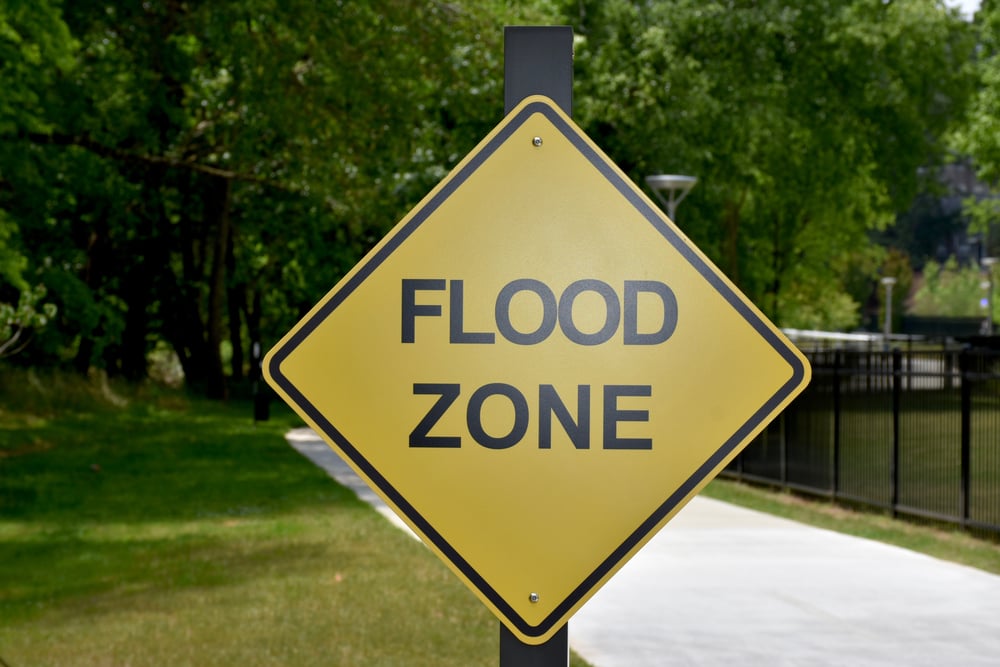
Building a home in Houston comes with unique considerations, especially when it comes to flood zones. Houston’s geography and weather patterns make some areas more vulnerable to flooding, which can affect building requirements, insurance costs, and property planning. Understanding flood zones, local regulations, insurance requirements, and flood mitigation options can help protect your investment and prepare you for the challenges of building in the Houston area.
Key Takeaways
- Flood zone classifications affect flood risk and insurance costs
- Flood insurance can help protect your home and financial investment
- Houston building codes help reduce potential flood damage
- Elevation and proper drainage can help protect homes from flooding
- Long-term planning and community efforts support better flood protection
Flood Zone Classifications: What Homeowners Need to Know
When building or buying a home in Houston, understanding flood zone classifications is an important part of the process. The Federal Emergency Management Agency (FEMA) uses flood maps to identify areas based on their potential flood risk. These classifications can affect insurance costs, building requirements, and how homeowners plan for flood protection.
Understanding FEMA Flood Zones
FEMA flood zones help show how likely an area is to experience flooding. Common designations, such as Zone AE and Zone X, indicate different levels of flood risk.
High-risk flood zones have a greater chance of flooding and may require flood insurance for homeowners with a federally backed mortgage. Moderate- and low-risk zones generally have fewer insurance requirements, but flood insurance can still provide valuable protection.
Using FEMA Flood Maps
FEMA flood maps provide detailed information about flood hazards in specific areas. Homeowners and buyers can use these maps to check a property’s flood zone before purchasing or starting construction.
Reviewing flood maps early can also help with planning. Knowing the property’s flood risk can guide decisions about elevation, drainage, foundation design, and other flood protection measures.
How Flood Zones Affect Homes
Flood zone designations can affect more than insurance. Properties in higher-risk areas may have additional building requirements designed to reduce potential flood damage. Flood risk can also influence property values and may be an important consideration for future buyers. Understanding the property’s flood zone helps homeowners make informed decisions about construction, insurance, and long-term property planning.
Planning for Flood Protection
Flood zone classifications are an important part of preparing for the risks associated with building or buying a home in Houston. Reviewing FEMA flood maps, understanding insurance requirements, and considering flood protection measures can help homeowners better protect their property and investment.
The Importance of Flood Insurance in Flood-Prone Zones
Flood insurance is an important consideration for homeowners in Houston and other flood-prone areas. Standard homeowners insurance typically does not cover flood damage, so a separate flood insurance policy may be needed to protect your home and belongings. The National Flood Insurance Program (NFIP) provides flood insurance for homeowners, renters, and businesses, with coverage options for both the structure of a home and personal belongings.
The cost of flood insurance varies based on factors such as the property’s flood zone, elevation, and overall flood risk. Homes in higher-risk areas generally have higher premiums. However, flood insurance may still be valuable in moderate- and low-risk areas, even when it is not required. Flooding can happen outside designated high-risk zones, and having coverage can help reduce the financial impact of unexpected damage.
Homeowners can work with an insurance professional to understand their flood risk and available coverage options. Reviewing what a policy covers, its limits, and its costs can help homeowners choose coverage that fits their needs. Overall, flood insurance provides an added layer of financial protection and can help Houston homeowners protect their homes and investments from potential flood damage.
Building Regulations for Flood Zones in Houston
Building a home in a Houston flood zone requires following regulations designed to reduce flood damage and improve safety. These requirements can affect the home’s elevation, foundation, design, and permitting process.
Elevation and Foundation Requirements
New homes may need to meet Base Flood Elevation (BFE) standards, which determine how high the lowest floor must be above the expected flood level. Proper elevation can help reduce flood damage and may affect insurance costs.
Permits and Floodplain Reviews
Building in a flood zone may require additional floodplain reviews to ensure the project meets FEMA and local requirements. Completing these reviews and obtaining the proper permits is an important part of the construction process.
Protecting Your Investment
Following flood zone regulations can help reduce flood damage, improve home safety, and support long-term property resilience. Proper planning and compliance can also help homeowners manage potential insurance costs.
Preparing Your Home for Potential Flooding
Taking steps to prepare your home for flooding can help reduce water damage and protect your property. For Houston homeowners, improvements such as better drainage, home elevation, and regular maintenance can make a home more resilient during heavy rain and flooding.
| Flood Protection Measure | How It Helps |
| Elevate the Home | Raises the home above expected flood levels and can reduce water intrusion |
| Install Flood Barriers | Helps block rising water from entering the property |
| Use a Sump Pump | Removes excess water from low areas such as basements and crawl spaces |
| Improve Drainage | Grading, French drains, and porous surfaces help direct water away from the home |
| Seal Foundations and Walls | Helps prevent water from seeping through exterior surfaces |
| Maintain Gutters and Drains | Keeps water flowing away from the home during heavy rainfall |
These measures can help reduce flood risks and limit potential damage. Working with qualified professionals can also help homeowners identify the most effective improvements based on their property’s location and flood risk
Long-term Planning and Community Efforts in Flood Zones
Long-term planning and community involvement can help reduce flood risks in Houston. Residents, local governments, and developers can work together to improve drainage, flood control systems, and other infrastructure.
Local governments help manage flood risks through infrastructure projects, building regulations, and floodplain planning. Residents can support these efforts by participating in community meetings and providing feedback on local flood prevention projects.
Planning for future weather changes is also important. By working together and considering long-term flood risks, Houston communities can improve resilience and better protect homes and properties.
Flood Zone Home Building Questions
How do I know if my Houston property is in a flood zone?
To determine if your Houston property is in a flood zone, start by checking the Federal Emergency Management Agency (FEMA) Flood Map Service Center online. This tool provides detailed flood map data. Additionally, the Harris County Flood Control District offers resources to help identify flood risks in the area. Consulting with a local real estate agent or surveyor familiar with Houston’s flood zones can also provide valuable insights.
What should I consider before building a home in a Houston flood zone?
Before building in a Houston flood zone, consider the flood risk level and how it impacts safety and property value. Research local building codes and elevation requirements aimed at minimizing flood damage. Assess potential insurance costs and availability. It’s also wise to consult with architects and builders experienced in flood-prone areas to ensure your home is designed to withstand possible flooding.
How does a flood zone affect custom home design and construction?
Building in a flood zone necessitates specific design considerations, such as elevating the home’s foundation and using flood-resistant materials. Architects might design homes with elevated living spaces or implement breakaway walls in areas prone to flooding. Construction costs may increase due to these specialized requirements. Collaborating with professionals familiar with flood-resistant design ensures your home is both safe and compliant with local regulations.
What flood-resistant features can be incorporated into a Houston home?
Incorporating flood-resistant features in a Houston home can significantly reduce potential damage. Consider installing flood vents to allow water to flow through instead of building up pressure. Elevating the structure and using materials like concrete or brick for exteriors can help. Waterproofing basements and using water-resistant flooring and wall materials are additional strategies. Discussing options with a builder experienced in flood-zone construction is recommended.
Will building in a flood zone affect my home’s insurance requirements?
Yes, building in a flood zone typically impacts insurance requirements. Homeowners in flood-prone areas often need to purchase separate flood insurance, as standard home insurance policies may not cover flood damage. Premiums depend on the property’s flood risk level and mitigation measures in place. Consulting with an insurance agent who specializes in flood insurance can help you understand coverage options and costs specific to your location.
Flood Zone Considerations for Building a Home in Houston
Building a home in a Houston flood zone requires careful planning and an understanding of flood risks, insurance, building regulations, and flood protection measures. Reviewing flood zone classifications, preparing the property, and following local requirements can help protect your home and investment.
As a custom home builder in Houston, we understand the importance of planning for local conditions when building a new home. Our team considers factors such as flood zones, drainage, elevation, and local building requirements to help create a home that is safe, durable, and well-suited to the property.
Ready to start planning your Houston custom home? Send us a consultation request and take the next step toward building a home that fits your needs and property.

Nick Picklo, son of Terry Picklo, grew up immersed in the world of construction. With a keen passion for construction science, he continuously explores emerging technologies and sustainable building practices to enhance every project. His commitment to staying ahead of industry changes drives innovation in residential construction, ensuring that each home reflects the latest advancements in quality, efficiency, and design.