Houston’s hot, humid climate and proximity to the Gulf of Mexico create high moisture levels that can affect homes year-round. Without proper dehumidification, excess moisture can lead to mold growth, damage to building materials, and reduced indoor comfort. For homeowners planning a custom home in Houston, incorporating the right dehumidification system can help protect the home, improve indoor air quality, and maintain a comfortable living environment.
Key Takeaways
- Houston’s humid climate can lead to significant home damage over time
- High indoor humidity negatively impacts air quality and health
- Dehumidification solutions offer tailored options for moisture control
- Effective humidity management enhances energy efficiency
- Custom homeowners in Houston must prioritize dehumidification in their designs
Understanding Houston’s Climate and Its Impact on Homes
Houston has a hot, humid climate throughout much of the year. Its proximity to the Gulf of Mexico brings moisture into the air, which can enter homes and raise indoor humidity levels. Without proper humidity control, this excess moisture can affect your home’s structure and comfort.
High humidity can damage building materials over time. Wood may warp, paint can peel, and metal fixtures can rust. These problems can lead to costly repairs if moisture is not managed properly. Excess moisture can also make your home feel damp and uncomfortable. High indoor humidity creates conditions that encourage mold and mildew growth, which can affect indoor air quality.
For Houston homeowners, controlling indoor humidity is essential to protecting their homes and maintaining a comfortable living space. Understanding the effects of the local climate can help you take the right steps to prevent moisture problems and protect your investment.
How High Humidity Affects Your Indoor Air Quality
High humidity can make your home feel damp and create the right conditions for mold, dust mites, and other allergens to grow. These irritants can lower indoor air quality and cause problems for people with asthma or allergies.
Excess moisture can also cause musty odors throughout your home. These smells may indicate mold or mildew growth and suggest that your indoor humidity levels need attention. Over time, moisture can seep into walls, floors, and other building materials, leading to damage that may be difficult to spot at first. Without proper humidity control, these problems can become costly to repair.
Managing indoor humidity helps maintain better air quality and a more comfortable home. Proper moisture control can also reduce the risk of mold growth and protect your home’s materials from long-term damage.
Exploring Dehumidification Solutions for Your House
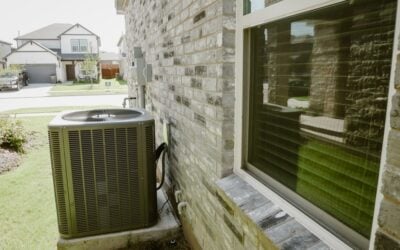
Dehumidification helps control moisture levels in your home, improving comfort and reducing the risk of mold and moisture damage. Several options are available depending on your home’s size, layout, and humidity needs. Common dehumidification solutions include:
- Whole-house dehumidifiers: Connect to your HVAC system to control humidity throughout your home.
- Portable dehumidifiers: Remove moisture in specific areas, such as basements, attics, or other damp rooms.
- Advanced humidity controls: Use sensors and automatic settings to help maintain consistent indoor humidity levels.
- Professional assessments: Help identify moisture problems and determine which dehumidification system best fits your home.
Choosing the right solution can help protect your home’s building materials, improve indoor air quality, and create a more comfortable living environment. A professional assessment can help you determine the most effective approach for your home’s needs.
Enhancing Energy Efficiency through Humidity Management
Proper humidity control can help improve your home’s energy efficiency. When indoor humidity is balanced, your air conditioning system can cool your home more effectively without working as hard to manage excess moisture. This can help reduce energy use and lower utility bills.
Managing humidity can also reduce strain on your HVAC system, potentially lowering repair costs and extending its lifespan. Balanced humidity helps your home feel cooler and less sticky, creating a more comfortable living environment.
For Houston homeowners, humidity management is an important part of maintaining an energy-efficient home. The right dehumidification system can help control moisture, improve indoor comfort, and protect your home over time.
Key Considerations for Custom Homeowners in Houston
When building a custom home in Houston, humidity control should be part of the design from the start. The right planning and dehumidification system can help protect your home from moisture damage, improve indoor air quality, and maintain comfort year-round. Key considerations for custom homeowners include:
- Plan for humidity control early: Include dehumidification in your home’s design to address Houston’s humid climate.
- Choose the right system: Consider a whole-house dehumidifier or portable units based on your home’s needs.
- Work with experienced builders: Consult a builder who understands Houston’s climate and can help you plan for proper moisture control.
- Protect your home’s structure: Manage excess moisture to help prevent damage to wood, walls, and other building materials.
- Improve comfort and efficiency: Maintain balanced indoor humidity to support a comfortable living environment and efficient HVAC operation.
By prioritizing humidity control during the design and construction process, you can build a custom home that is comfortable, durable, and better suited to Houston’s climate.
Home Dehumidication FAQs
Why Is Humidity Control Important in Houston Homes?
Controlling humidity in Houston homes is vital due to the city’s naturally high moisture levels. Excessive humidity can lead to discomfort, exacerbate allergies, and damage your home. By managing indoor humidity, you create a healthier, more comfortable living environment. Proper humidity control also helps preserve your home’s structure and furnishings, protecting your investment. It’s a key factor in maintaining optimal indoor air quality, which contributes to your household’s overall well-being.
How Does High Indoor Humidity Affect Your Home?
High indoor humidity in your home can cause a range of issues. It can lead to the growth of mold and mildew, which can damage walls, ceilings, and furniture. This damp environment is perfect for dust mites and can aggravate allergies and asthma. Additionally, excessive moisture can warp wood, peel paint, and ruin home finishes. Managing humidity levels is essential to prevent these problems and maintain a safe, comfortable home environment.
What Are the Signs Your Home Needs a Dehumidifier?
If you notice persistent condensation on windows, musty odors, or visible mold growth, your home likely needs a dehumidifier. Other signs include increased allergy symptoms, warped wood, and peeling wallpaper or paint. Feeling clammy or sticky indoors can also indicate high humidity levels. A dehumidifier helps address these issues by reducing excess moisture in the air, promoting a healthier, more comfortable living space.
Can Whole-Home Dehumidification Improve Indoor Air Quality?
Absolutely! Whole-home dehumidification significantly enhances indoor air quality by maintaining optimal humidity levels. It reduces the presence of allergens like dust mites and mold spores, which thrive in moist conditions. This improvement in air quality can alleviate allergy and asthma symptoms, making breathing easier for everyone in the home. By keeping humidity in check, whole-home systems create a fresher, healthier living environment.
How Does Dehumidification Help Prevent Mold and Moisture Damage?
Dehumidification plays a crucial role in preventing mold and moisture damage by removing excess moisture from the air. Mold thrives in damp environments, and controlling humidity levels stops its growth. This not only protects your home’s structure and finishes but also safeguards your family’s health. By maintaining a balanced indoor climate, dehumidifiers prevent the conditions that lead to costly repairs and health issues related to mold exposure.
Protect Your Houston Home With Proper Dehumidification
Proper dehumidification is essential for Houston homes because high humidity can lead to mold growth, poor indoor air quality, and damage to building materials. The right humidity control system can help protect your home, improve comfort, and support energy efficiency.
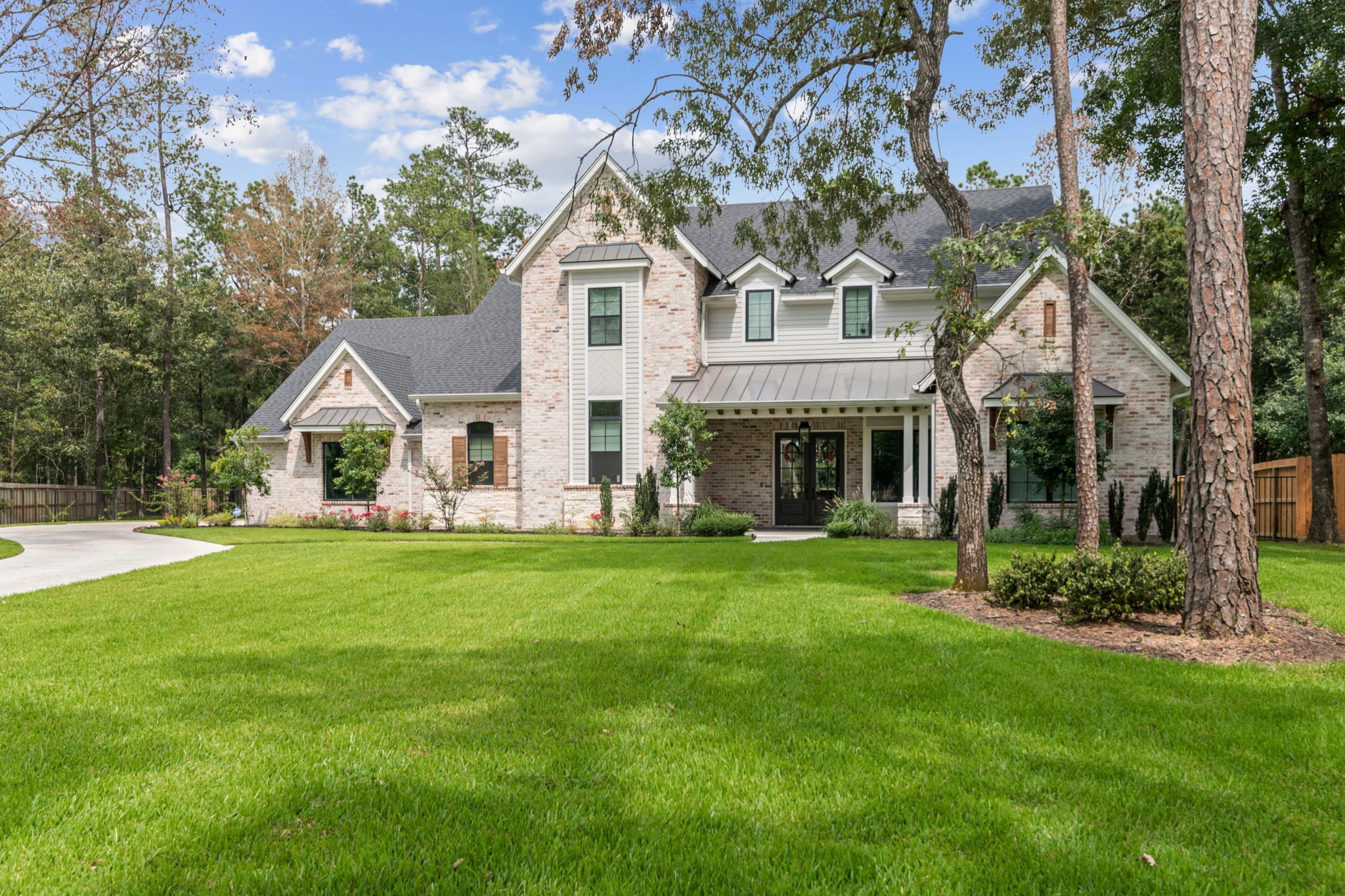
As a custom home builder in Houston, we understand the importance of designing homes that can handle the local climate. Our approach to custom home construction focuses on thoughtful planning and quality craftsmanship to support long-term comfort and performance.
Ready to build a custom home that is designed for Houston’s climate? Send us a consultation request to discuss your project and learn how thoughtful planning can help protect your home from excess humidity.

Nick Picklo, son of Terry Picklo, grew up immersed in the world of construction. With a keen passion for construction science, he continuously explores emerging technologies and sustainable building practices to enhance every project. His commitment to staying ahead of industry changes drives innovation in residential construction, ensuring that each home reflects the latest advancements in quality, efficiency, and design.