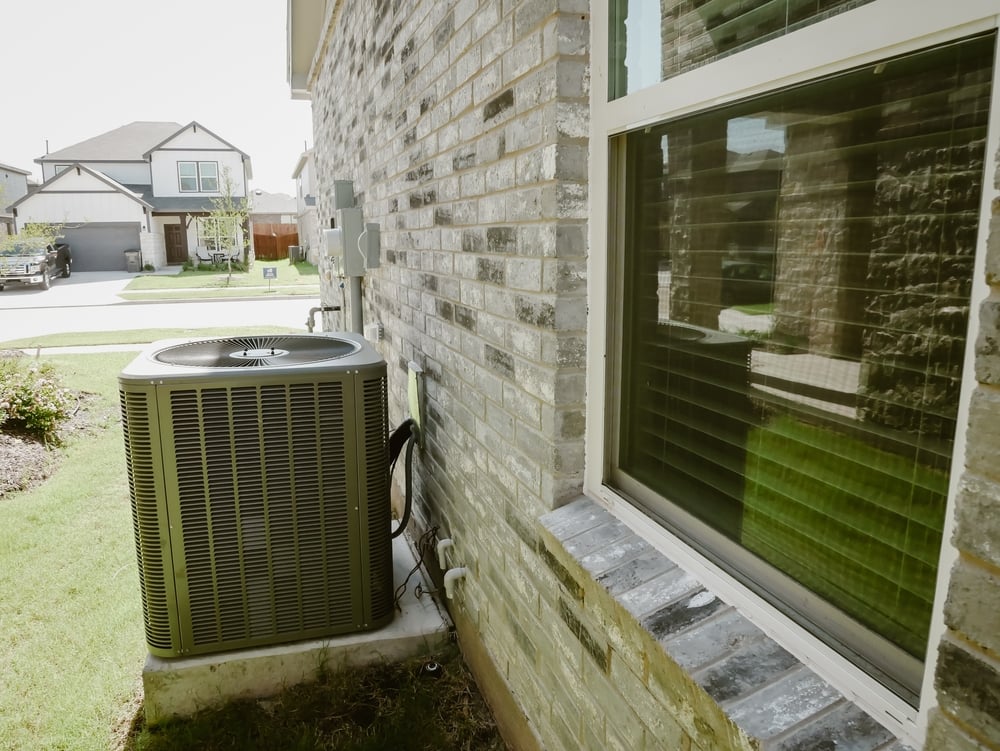
A bigger HVAC system does not always mean better heating and cooling. While many homeowners believe larger systems work more efficiently, an oversized unit can lead to higher energy bills, uneven temperatures, and poor humidity control. Choosing the right HVAC system size helps keep your home comfortable and energy costs under control.
Key Takeaways
- Bigger HVAC systems can lead to inefficiencies and discomfort
- Properly sized systems improve energy efficiency and cost savings
- Understanding HVAC components and system types is crucial for making informed decisions
- Professional assessments can help determine the right HVAC system size for your home
- Correctly sized HVAC systems offer long-term benefits in comfort and air quality
The Role of HVAC Systems in Home Comfort
HVAC systems help keep your home comfortable throughout the year. They include heating, ventilation, and air conditioning components that control indoor temperatures, improve air quality, and manage energy use. A properly working HVAC system keeps your home warm in the winter and cool in the summer. It helps maintain a comfortable indoor temperature no matter the season.
HVAC systems also improve indoor air quality by filtering dust, pollutants, and allergens. They help control humidity, which can reduce moisture buildup and lower the risk of mold growth. An efficient, well-maintained HVAC system can also lower energy bills. Smart HVAC systems offer added convenience by allowing homeowners to adjust their home’s temperature remotely.
Exploring Different Types of HVAC Systems
Choosing the right HVAC system helps keep your home comfortable while managing energy costs. Different systems offer different benefits depending on your home’s size, layout, and heating and cooling needs. Understanding the main types of HVAC systems can help you find the best option for your home.
| HVAC System Type | How It Works | Main Benefits |
| Central Air Conditioning | Uses ductwork to distribute cool air throughout the home. | Provides consistent cooling throughout multiple rooms. |
| Ductless Mini-Split | Uses indoor units to heat or cool individual rooms without ductwork. | Offers flexible temperature control and easy installation in homes without ducts. |
| Heat Pump | Transfers heat to provide both heating and cooling. | Offers year-round comfort and can reduce energy use. |
| Packaged HVAC System | Combines heating and cooling components in one outdoor unit. | Saves indoor space and keeps components in one location. |
| Geothermal System | Uses the earth’s stable underground temperatures to heat and cool the home. | Provides efficient heating and cooling with potential long-term energy savings. |
Each HVAC system has advantages depending on your home’s needs. Factors such as available space, existing ductwork, installation costs, and energy efficiency can help you determine which system is the best fit.
Why Bigger Isn’t Always Better in HVAC System Sizing
A larger HVAC system does not always work better. An oversized system can turn on and off too often, causing extra wear and tear and increasing repair costs. Oversized systems may also struggle to remove enough moisture from the air. This can make your home feel cool but damp. They can also cause uneven temperatures, leaving some rooms too hot or too cold. A properly sized HVAC system runs more efficiently, helps control humidity, and keeps your home comfortable. It can also reduce energy bills, limit unnecessary noise, and help your equipment last longer.
Tips for Choosing the Right HVAC System for Your Home
Choosing the right HVAC system helps keep your home comfortable while managing energy costs. Consider your home’s size, energy efficiency, and budget to find a system that meets your heating and cooling needs. Use these tips to help you make the best choice:
- Consider your home’s size and layout: Choose a system that matches your home’s needs to ensure efficient heating and cooling.
- Check energy efficiency ratings: Look for systems with high SEER2 ratings to help reduce energy use and lower utility bills.
- Schedule a professional assessment: Have an HVAC professional evaluate your home and recommend the right system size and type.
- Look for smart features: Consider programmable thermostats and smart controls to make managing your home’s temperature easier.
- Compare upfront and long-term costs: Consider installation expenses, maintenance needs, and potential energy savings when setting your budget.
Taking these factors into account can help you choose an HVAC system that provides reliable comfort, operates efficiently, and fits your budget.
The Long-Term Benefits of Correctly Sized HVAC Systems
Choosing the right HVAC system size offers several long-term benefits for your home. From better comfort to lower energy bills, a properly sized system helps your equipment run efficiently and reliably.
Consistent Indoor Comfort
A correctly sized HVAC system helps maintain steady temperatures throughout your home. It keeps your living spaces comfortable in both hot and cold weather while reducing uneven temperatures.
Lower Energy Bills
Properly sized HVAC systems use energy more efficiently. By avoiding unnecessary cycling and running at the right capacity, they can help lower monthly utility bills and reduce energy waste.
Fewer Repairs and Longer Equipment Life
An HVAC system that is correctly sized experiences less strain on its components. This can reduce wear and tear, limit repair needs, and help extend the system’s lifespan.
Better Humidity Control
A properly sized system helps remove excess moisture from the air. Maintaining balanced humidity can improve indoor comfort and reduce the risk of mold and mildew growth.
Improved Energy Efficiency and Sustainability
Efficient HVAC systems use less energy to heat and cool your home. This can reduce your home’s environmental impact while providing reliable performance over time.
How the Picklo Build Method™ Supports HVAC Efficiency
Choosing the right HVAC system size is only one part of creating a comfortable, energy-efficient home. Picklo Homes uses their very own Picklo Build Method™ to integrate insulation, air sealing, moisture control, and HVAC design into one coordinated construction process. This approach helps maintain consistent indoor temperatures, improve humidity control, and reduce unnecessary strain on heating and cooling equipment. By designing HVAC systems around the home’s overall performance, Picklo Homes works to create comfortable, durable homes built for long-term efficiency.
HVAC Systems FAQs
Why Isn’t a Bigger HVAC System Always Better for Your Home?
Bigger isn’t always better when it comes to home HVAC systems. An oversized system can lead to frequent cycling on and off, which not only wastes energy but can also result in uneven temperature distribution. This inefficiency can cause discomfort and lead to higher utility bills. Additionally, larger systems can be more expensive to install and maintain. It’s essential to have a properly sized system to achieve optimal comfort and efficiency in your home.
What Happens When an HVAC System Is Too Large?
An oversized HVAC system can cause several issues. It may cool or heat your home too quickly, leading to short cycling. This frequent on-and-off cycle can increase wear and tear on the system, potentially shortening its lifespan. Additionally, it may fail to remove humidity effectively, leaving your home feeling clammy. Plus, the inconsistent temperature can create an uncomfortable indoor environment, making it hard to maintain the desired comfort level.
How Does HVAC System Sizing Affect Energy Efficiency?
Correct sizing of an HVAC system is crucial for energy efficiency. An appropriately sized system runs at optimal capacity, ensuring consistent temperature regulation without excessive energy consumption. Oversized systems, however, tend to short cycle, leading to unnecessary energy use and higher utility bills. Proper sizing ensures the system operates efficiently, effectively maintaining comfort while conserving energy and reducing costs.
Can an Oversized HVAC System Cause Humidity Problems?
Yes, an oversized HVAC unit can indeed cause humidity issues. Because it cools your home too quickly, it doesn’t run long enough to properly dehumidify the air. This can leave your home feeling damp and uncomfortable. Proper dehumidification is essential for both comfort and preventing issues like mold growth. A system that’s the right size will manage humidity levels effectively, enhancing overall comfort in your home.
How Do You Determine the Right HVAC Size for a Custom Home?
To determine the right HVAC size for a custom home, it’s best to consult a professional. They will conduct a detailed load calculation, considering factors like square footage, insulation, window types, and local climate. This thorough analysis ensures that the chosen system will meet your home’s specific heating and cooling needs efficiently. Avoid guessing or generalizing; precise calculations tailored to your home’s characteristics are key to optimal HVAC performance.
Choosing the Right HVAC System Size for Your Home
Choosing the right HVAC system size is essential for maintaining indoor comfort, improving energy efficiency, and controlling utility costs. An oversized system can lead to uneven temperatures, poor humidity control, and unnecessary wear and tear. A properly sized HVAC system helps your home stay comfortable while providing reliable, long-term performance.
As a custom home builder in Houston, we understand the importance of choosing a system that meets your home’s heating and cooling needs. Our team can help you explore your options and find an efficient solution for your space.
Are you ready to find the right HVAC system for your home? Send us a consultation request today to discuss your heating and cooling needs and get started with a solution that fits your home and budget.

Nick Picklo, son of Terry Picklo, grew up immersed in the world of construction. With a keen passion for construction science, he continuously explores emerging technologies and sustainable building practices to enhance every project. His commitment to staying ahead of industry changes drives innovation in residential construction, ensuring that each home reflects the latest advancements in quality, efficiency, and design.