If you’re building or maintaining a home in Houston, understanding the intricacies of the local soil and foundation types is essential. The city’s unique geological composition presents ongoing challenges, but with the right knowledge, those challenges can be managed effectively for stronger, more durable construction and landscaping outcomes.
From clay soil that expands and contracts with shifting moisture levels to sandy loam that offers improved drainage, Houston’s ground conditions can significantly impact structural stability and outdoor performance. These conditions explain why foundation movement is common across the region and why soil behavior plays such an important role in both residential construction and landscaping success.
Key Takeaways
- Houston’s soil is predominantly clay, which can lead to foundation instability
- Knowing your soil type is essential for effective construction and gardening
- Choosing the right foundation type is crucial for long-term building stability
- Regular maintenance and inspections can prevent costly repairs
- Early intervention in foundation issues can save money and stress
Understanding Houston’s Unique Soil Types
Houston’s soil varies across neighborhoods and directly influences how homes are built and how landscapes perform. The region is primarily known for clay-heavy soil, though pockets of sandy and sandy loam soils are also common. Each soil type behaves differently with moisture, which impacts everything from foundation stability to plant health. Understanding these differences is the first step toward making smart construction and landscaping decisions. Below is a simple breakdown of Houston’s most common soil types and how they affect properties:
| Soil Type | Key Characteristics | Benefits | Challenges | Impact on Foundations & Landscaping |
| Clay Soil | Dense, sticky, highly reactive to moisture changes | Retains water well; supports moisture-loving plants | Expands when wet, contracts when dry | The major cause of foundation shifting, cracking, and structural movement |
| Sandy Soil | Loose, gritty texture with fast drainage | Prevents waterlogging; easier to dig and work with | Dries out quickly; low nutrient retention | Generally more stable for foundations, but requires irrigation for plants |
| Sandy Loam | Balanced mix of sand, silt, and clay | Good drainage with moderate water retention | Can vary in stability depending on composition | Often, the most favorable for both construction and gardening |
Because soil conditions can vary even within the same street or property, soil testing is a valuable step before any construction or major landscaping work. A professional soil analysis helps determine composition and guides decisions on foundation design, drainage planning, and plant selection. With the right understanding of Houston’s soil types, property owners can reduce risk, improve structural performance, and create healthier, more sustainable outdoor spaces.
The Importance of Choosing the Right Foundation for Custom Home Building in Houston
In custom home building, selecting the right foundation is one of the most important steps for ensuring long-term strength and stability, especially in Houston’s clay-heavy and shifting soils. The type of foundation chosen directly affects how well a home performs over time as the ground expands and contracts with moisture changes. Making the right decision early in the design process helps protect the home from future structural issues.
For custom homes, pier and beam foundations are often used to help reduce the impact of soil movement by elevating the structure above shifting ground. Slab foundations are also commonly used, but they require careful engineering and proper soil evaluation in areas with high clay content to help prevent cracking and settling. The best choice depends on the specific site conditions and the overall design of the home.
Working with experienced builders and engineers and completing detailed soil testing ensures the foundation is properly matched to the property. In custom home construction, this step is essential for creating a home that is both durable and built to last in Houston’s challenging soil conditions.
How Soil Conditions Affect Custom Home Construction Projects
Soil conditions play a major role in how a custom home performs over time. In Houston, where soil shifts with changing moisture and weather, these conditions influence design decisions, foundation selection, and overall construction costs. Because the ground is constantly moving, custom home builders often need to plan for stronger or more flexible foundation systems to protect the structure long-term.
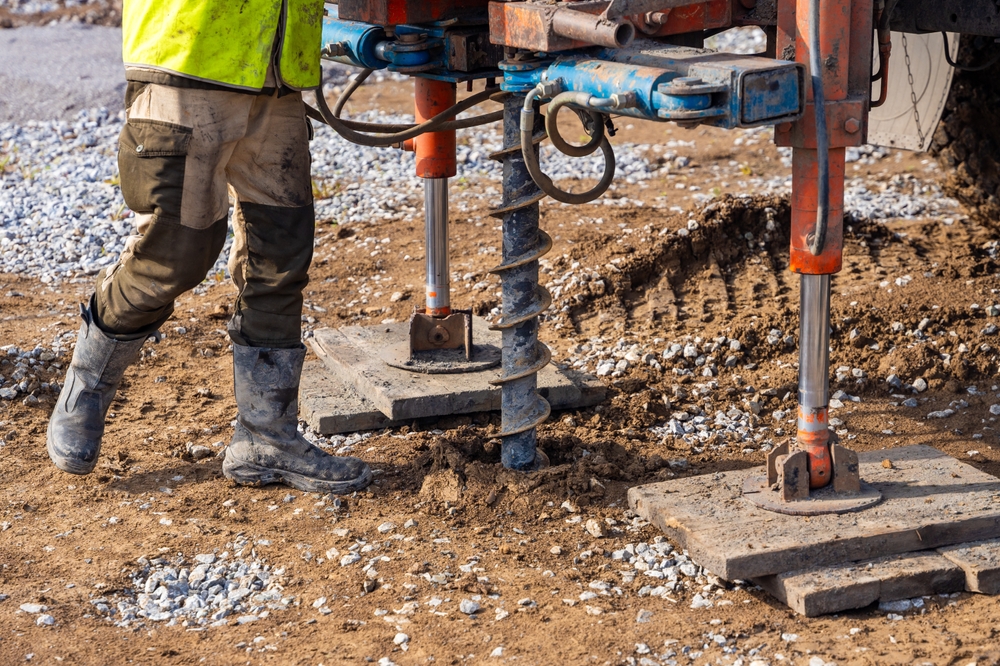
If soil conditions are not properly evaluated early in the process, serious issues can develop after construction. Soil movement can lead to foundation cracking, uneven floors, and long-term structural damage, which is why soil testing is a key step in custom home planning. In many cases, soil stabilization or engineering adjustments are needed before building begins.
Weather patterns also play a major role in soil behavior during construction. Heavy rainfall and dry periods cause expansion and contraction in the ground, which can impact scheduling and site preparation. Understanding these conditions helps custom home builders design smarter, reduce risks, and create homes built to last in Houston’s environment.
Tips for Maintaining Stable Building Foundations
Maintaining a strong foundation is important for protecting any structure, especially in Houston, where soil conditions can change over time. A few simple, ongoing steps can help prevent major problems and keep your foundation stable.
- Regular inspections catch early foundation issues before they get worse
- Proper drainage prevents water buildup and soil damage around the structure
- Keeping soil moisture balanced reduces shifting caused by Houston’s climate
- Trees and large shrubs should be planted away from foundations to avoid root damage
- Professional maintenance helps identify and fix small problems early
Common Foundation Issues in Houston’s Soil
Foundation issues are a common concern for homeowners and builders in Houston due to the region’s shifting, clay-heavy soil. As the ground expands and contracts with changes in moisture, it can place stress on foundations and lead to noticeable structural problems over time. Recognizing these early signs is important for preventing costly damage and repairs.
Cracks in the foundation are one of the most common warning signs, often caused by soil movement beneath the structure. Uneven or sloping floors can also indicate that the home is settling unevenly as the soil shifts. In addition, doors and windows that stick or no longer close properly may signal that the foundation has moved and affected the home’s alignment.
Gaps forming around exterior walls, ceilings, or trim are another red flag that the structure may be shifting. These issues often develop gradually but can become more serious if not addressed early. Taking action at the first signs of movement helps protect the safety, stability, and long-term value of the home.
Solid and Foundation Questions
What is the best type of soil for foundations?
In Houston, clay soil is common but can be problematic due to its tendency to expand and contract with moisture changes. Ideally, a stable, well-draining soil like sandy loam is preferable for foundations. It provides a good balance between stability and drainage, reducing the risk of shifting that can damage structures. If your property has problematic soil, consider soil stabilization techniques or consult with a foundation expert to enhance its suitability.
Should I fill the gap between the foundation and the soil?
Yes, it’s important to fill gaps between the foundation and soil to prevent water from pooling, which can lead to shifting and settling. Using a well-compacted fill material, like sand or gravel, helps maintain stability and ensures proper drainage. Regularly inspect your home’s perimeter and address any gaps promptly to avoid foundation damage and maintain structural integrity.
Why do Houston soil conditions affect home foundations?
Houston’s soil predominantly consists of expansive clay, which swells when wet and shrinks when dry. This constant movement can lead to foundation cracks and uneven settling. The region’s humid climate exacerbates these issues, making it crucial for homeowners to monitor soil moisture levels and maintain proper drainage around their properties to protect their foundations from damage.
How often should I inspect my home’s foundation?
It’s recommended to inspect your foundation at least once a year to catch early signs of movement or damage. You should also check after heavy rain or long dry periods, since these conditions can affect soil behavior. Early detection helps prevent small issues from turning into costly repairs.
Can landscaping affect my foundation stability?
Yes, landscaping can have a big impact on foundation stability, especially in areas with expansive soil like Houston. Large trees and shrubs planted too close to a home can cause soil movement through root growth and moisture changes. Proper placement and regular maintenance help reduce stress on the foundation.
Understanding Houston Soil and Foundation Stability for Custom Homes
Houston’s soil conditions have a major impact on how foundations perform over time. With expansive clay, shifting moisture levels, and varying soil types across neighborhoods, understanding ground conditions is key to building a strong and lasting home. Proper foundation planning helps reduce movement, cracking, and costly structural repairs.
As a custom home builder in Houston, TX, we design and build with local soil conditions in mind to ensure long-term stability and performance. Every project is approached with careful site evaluation, foundation planning, and a focus on building homes that can withstand Houston’s challenging ground conditions.
Ready to build a custom home designed for Houston’s soil and climate? Send us a consultation request today to start planning your project and get expert guidance on building a strong foundation.

Nick Picklo, son of Terry Picklo, grew up immersed in the world of construction. With a keen passion for construction science, he continuously explores emerging technologies and sustainable building practices to enhance every project. His commitment to staying ahead of industry changes drives innovation in residential construction, ensuring that each home reflects the latest advancements in quality, efficiency, and design.