What makes a great custom home lot? Building your dream home from scratch is an exciting journey, filled with possibilities as vast as the Texas sky. The first step in this adventure is choosing the right custom home lot. This decision could mean the difference between a house and a home.
When considering a custom home lot in Houston, TX, you face a unique set of opportunities and challenges. What factors should you weigh to ensure your chosen plot will become the perfect foundation for your dream home? Let’s dive into the details that make or break this crucial step in building your personal haven.
Key Takeaways
- Zoning regulations and future development plans can influence long-term property value and neighborhood appeal
- Budget considerations play a major role in determining the size, location, and overall suitability of a lot
- School districts and nearby amenities contribute to convenience, desirability, and resale potential
- Location factors such as safety, commute times, and surrounding activity levels impact daily living experiences
- Lot dimensions, terrain, and topography affect home design options, construction requirements, and site usability
Key Questions to Ask Before Selecting a Lot for Your Custom Build
Before signing on the dotted line for your custom home lot, what questions should you be asking to ensure you’re making a smart and lasting investment? Taking time to understand zoning regulations, neighborhood development plans, your budget, and nearby amenities can help you avoid costly surprises later and set the stage for a successful build. A well-chosen lot not only supports your vision for your home but also enhances long-term value and livability.
- Zoning regulations: What are you actually allowed to build on the lot? Zoning rules determine the size, type, and even style of structures permitted, including additions like garages or home offices. Understanding these restrictions early ensures your design plans align with local requirements.
- Neighborhood development plans: What changes are coming to the surrounding area? Future developments such as highways, schools, or commercial centers can significantly affect property value and quality of life, either improving convenience or altering the neighborhood’s character.
- Budget considerations: How does the lot fit into your overall budget? Location, size, and desirability all influence price, especially in and around Houston. It’s important to balance the cost of the land with what you’ll need for construction and unexpected expenses.
- School district reputation: How will the local schools impact long-term value? Even if schools aren’t a current priority, strong school districts can improve resale potential and overall neighborhood demand.
- Proximity to amenities: How close are essential services and lifestyle conveniences? Access to shopping, dining, parks, and entertainment can greatly enhance day-to-day living and overall satisfaction with your location.
- Local home builder expertise: Who will guide you through the process? Working with a builder familiar with the area can streamline permitting, zoning compliance, and construction challenges, helping your project stay on track and within budget.
Finding the Perfect Spot for Your Dream Home
Choosing the perfect location for a custom home in Houston is essential, as it directly impacts your daily lifestyle and long-term satisfaction. Key factors to consider include neighborhood safety, commute times, noise levels, access to public transportation, and proximity to healthcare facilities. A safe area with low crime rates often offers stronger property values and a greater sense of community. Additionally, shorter commutes and convenient transit options can improve everyday convenience, while nearby hospitals and clinics provide peace of mind. Ultimately, the right location should align with your lifestyle preferences, whether you prioritize quiet surroundings or vibrant city access.
Evaluating Lot Size and Shape for Your Custom Design
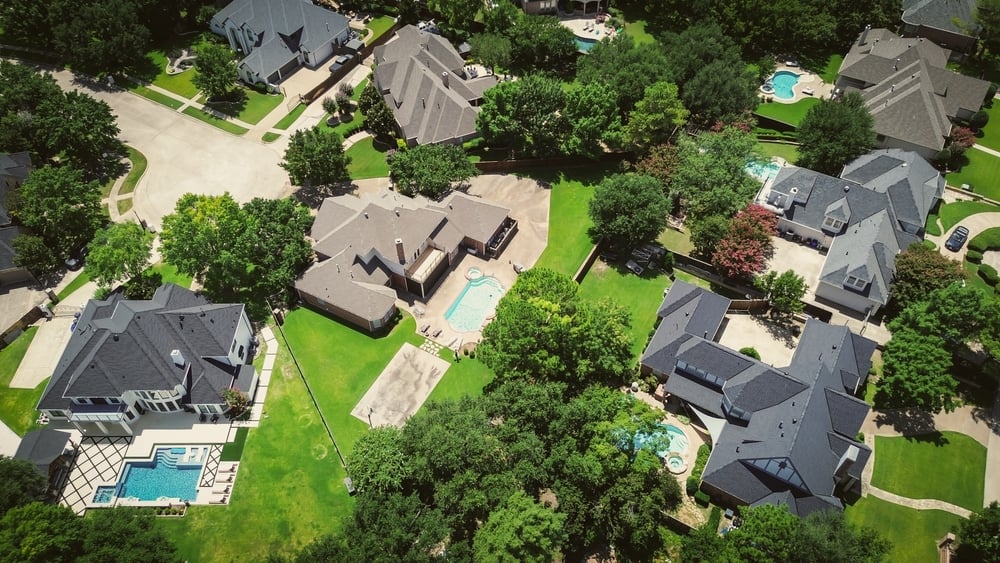
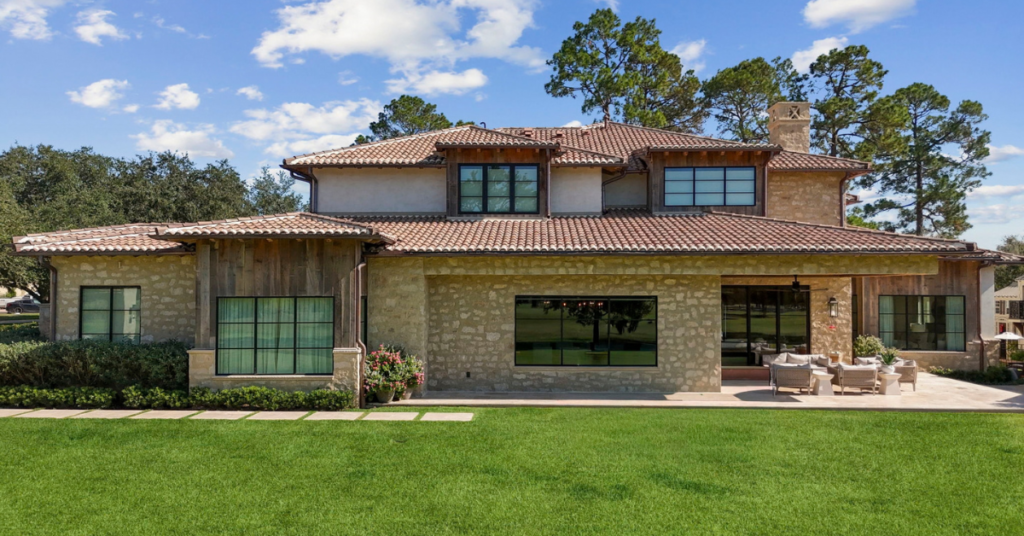
Evaluating a lot’s size and shape is an important step in designing a custom home because it directly affects layout options, future expansion, and overall livability. Lot dimensions determine whether your home is better suited for a wide, single-story design or a deeper, multi-level layout. Features like mature trees can enhance beauty and shade, but may also limit construction options. Orientation impacts natural light and energy efficiency, while setback requirements define how much of the lot is actually buildable. Finally, the overall shape of the lot influences how usable your outdoor space will be, from landscaping possibilities to privacy and backyard design.
Considering Access to Utilities When Building Your Dream Home
Access to essential utilities is a key factor when selecting a lot for your dream home. Before purchasing, you should confirm that electricity, water, and internet services are available, or understand the cost and timeline required to extend them to your property. These connection expenses can vary widely and should be included in your overall building budget. It’s also important to evaluate sewage and drainage systems to prevent future flooding or maintenance issues. Additionally, reliable municipal services like trash collection and road upkeep contribute to long-term convenience and neighborhood quality, making them an important part of your decision.
Assessing the Topography and Soil Conditions for Your Home
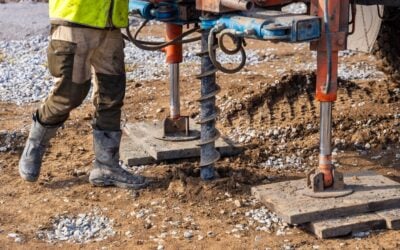
Topography and soil conditions play a major role in how easily and safely a custom home can be built, as well as its long-term stability. The slope of the land affects drainage and foundation design, with steep lots often requiring more grading and higher construction costs, while flat lots may raise drainage concerns. Soil type is equally important, since some soils require specialized foundations or stabilization that can impact both budget and timeline. It’s also essential to evaluate flood risk, as well as any rocks or underground obstacles that could increase excavation costs. Finally, erosion potential should be considered early, since it can affect both landscaping plans and the long-term safety of the property if not properly managed.
Steps to Take When Purchasing a Custom Home Lot
Purchasing a custom home lot involves several important steps that require research, planning, and coordination with your build team. Each stage helps ensure your lot is compatible with your design goals, budget, and long-term vision. Working with the right professionals early in the process can prevent costly setbacks and streamline your path to construction. The table below outlines the key steps involved in securing a custom home lot.
| Step | What It Involves | Why It Matters |
| 1. Research the local real estate market | Study current land availability, pricing trends, and neighborhood development in your target area. | Helps you understand fair market value and identify suitable lots for your custom home plans. |
| 2. Engage a custom home builder early | Partner with a custom builder to evaluate potential lots before purchase. | Ensures the lot can support your desired floor plan, foundation type, and design goals. |
| 3. Explore financing options | Compare construction loans, land loans, and combined financing packages. | Helps secure the most cost-effective funding structure for both land purchase and construction. |
| 4. Conduct due diligence | Review zoning, utility access, soil conditions, and site limitations with your builder. | Identifies potential risks or additional costs before committing to the property. |
| 5. Negotiate and close the deal | Finalize the purchase terms and complete the transaction. | Secures the lot so your builder can begin planning the design and construction process. |
Custom Home Lot FAQs
What factors make a lot ideal for a custom home?
An ideal custom home lot offers a prime location, proper zoning, and good topography. Access to utilities like water, electricity, and sewage is crucial. Consider the lot’s orientation for natural light, views, and privacy. Soil quality and drainage also affect construction. Proximity to schools, shops, and transport enhances convenience. Ensure the lot aligns with your lifestyle and vision for your home. Consulting professionals can provide valuable insights into selecting the perfect lot.
How important is working with a custom home builder before buying a lot?
Working with a custom home builder before purchasing a lot is extremely important because it helps determine whether your design plans are actually feasible. Builders can evaluate soil conditions, slope, utility access, and zoning restrictions before they commit. This early input can prevent costly surprises or redesigns later in the process. A builder can also estimate site preparation costs so you have a clearer picture of your total investment. In many cases, this guidance can save both time and money.
What hidden costs should I expect when buying a custom home lot?
Hidden costs often include utility extensions, land clearing, grading, and soil stabilization. Some lots may also require additional drainage work or erosion control, depending on the terrain. Surveying, permits, and impact fees can add to the upfront expenses as well. These costs vary widely based on location and lot condition, so they should be evaluated early. A builder’s site review can help identify these expenses before you purchase.
Can the shape or size of a lot limit my home design?
Yes, the shape and size of a lot can significantly influence your home’s layout and design options. Narrow or irregularly shaped lots may restrict floor plan choices or reduce usable outdoor space. Larger lots offer more flexibility for expansion, garages, or outdoor living features. Setback requirements and easements can further limit the buildable area. A custom builder can help design around these constraints to maximize functionality.
How does soil condition affect the building process?
Soil condition directly impacts the type of foundation your home will need. Poor or unstable soil may require special engineering solutions, which can increase construction costs. A soil test helps identify issues such as clay content, drainage problems, or shifting conditions. These factors also affect long-term structural stability and maintenance needs. Evaluating soil early ensures a safer and more predictable building process.
Finding the Right Custom Home Lot in Houston, TX
Choosing the right custom home lot is one of the most important decisions you’ll make during the homebuilding process. From evaluating location, lot size, utilities, and soil conditions to understanding zoning requirements and future development plans, each factor plays a role in creating a successful foundation for your dream home. By carefully assessing your options and asking the right questions, you can select a property that supports both your vision and long-term investment goals.
As a custom home builder in Houston, TX, we understand that finding the perfect lot can be just as important as designing the home itself. Our team works closely with homeowners to evaluate potential properties, identify site-specific challenges, and create custom home designs that maximize each lot’s unique features.
Ready to find the perfect custom home lot for your future home? Send us a consultation request today to discuss your goals and discover how we can help you select the right property and bring your custom home vision to life.

Nick Picklo, son of Terry Picklo, grew up immersed in the world of construction. With a keen passion for construction science, he continuously explores emerging technologies and sustainable building practices to enhance every project. His commitment to staying ahead of industry changes drives innovation in residential construction, ensuring that each home reflects the latest advancements in quality, efficiency, and design.