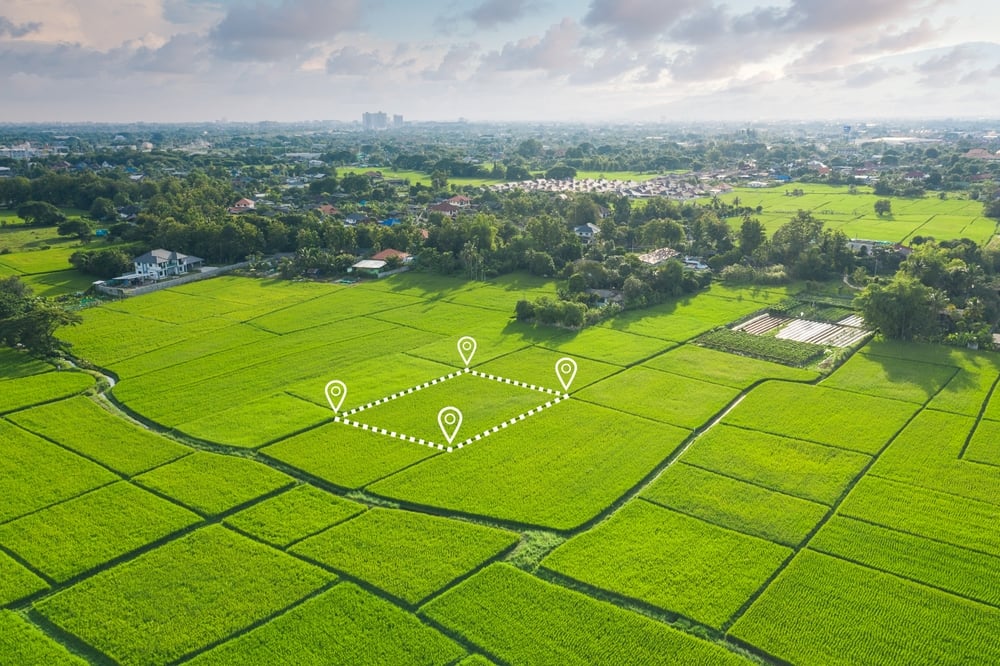
Buying land to build your dream home is exciting, but it’s also a big decision. The land you choose will affect not just your home’s design and layout, but also your long-term investment.
Picking the right piece of land can save you money, prevent future problems, and make sure your home fits your lifestyle. On the other hand, purchasing land without careful thought can lead to unexpected costs and headaches down the road.
Key Factors to Consider
When you’re interested in buying land to build your home, there are several important things to keep in mind.
Location and Neighborhood
Where your land is located can affect your daily life and your home’s long-term value. Look for areas that are convenient to work, school, shopping, medical facilities, and other activities you do often.
Consider the overall safety of the neighborhood, future development plans, and the general vibe of the community. A strong, growing neighborhood not only improves your quality of life but can also help your property appreciate over time.
Zoning and Land Use Regulations
Before purchasing, thoroughly check the local zoning laws and land use regulations. These rules control what can be built on the land, including the type of structure, its size, height restrictions, and sometimes even design requirements.
Understanding zoning ensures that your plans for building a house comply with local rules and prevent costly delays or legal issues down the road.
Soil Quality and Topography
The physical characteristics of the land play a major role in construction feasibility. Soil quality affects the strength of your foundation, drainage efficiency, and landscaping options.
Topography, including slopes, hills, or uneven surfaces, influences where and how your home can be built, what kind of grading or excavation might be required, and how your outdoor spaces will look and function.
Access to Utilities
Having access to essential utilities is crucial for both construction and day-to-day living. Make sure water, electricity, sewage, and possibly gas or high-speed internet are available.
Investigate whether these services are already connected or if additional installation will be required, as this can impact your timeline and overall budget.
Environmental Restrictions or Hazards
Some land may have environmental limitations or hidden hazards. Wetlands, flood zones, protected wildlife, or conservation easements can restrict development.
Other properties may face risks such as contaminated soil, underground storage tanks, or unstable terrain. Identifying these issues early through due diligence helps prevent costly remediation or project delays and ensures your new home is safe and sustainable.
Financial Considerations
The cost of land is more than just the purchase price. Property taxes can vary widely depending on location, so factor them into your long-term budget. Interest rates for financing land purchases can also affect your monthly costs and overall affordability.
It’s important to do your due diligence on all potential fees, including development or utility connection costs. These can add up quickly, so knowing them before you commit helps prevent surprises. Consider the future resale value as well; choosing land wisely can protect and even increase your investment over time.
Legal and Permitting Issues
Before buying land, verify that the ownership and title are clear. Check property lines carefully to avoid disputes, and review any easements that might affect how you can use your land.
Building permits and local regulations are also essential to review. Most areas require permits for construction, and requirements can differ from place to place. Ensuring compliance upfront avoids fines or construction delays.
Practical Considerations
Think about how easy it will be to get to and from your land. Good road access and convenient transportation options make daily life much smoother and can even affect your property’s value.
You’ll also want to consider how close the land is to schools, shopping, and other amenities. Being near the things you use every day can save time and make your new home more enjoyable.
Finally, take a look at the long-term growth and development plans for the area. New roads, businesses, or community projects can increase your property’s value, but they can also bring more traffic or change the neighborhood. Knowing what’s planned helps you make a smart choice.
Financing and Costs to Consider When Buying Land
To make your decision easier, here’s a side-by-side comparison of key factors and costs to consider when buying land.
| Cost/Financial Factor | What to Look For | Impact on Your Purchase |
| Land Price | Compare prices of similar parcels | Determines upfront investment |
| Property Taxes | Annual taxes, tax increases | Affects long-term affordability |
| Interest Rates | Loan rates for land purchase | Impacts monthly payments and total cost |
| Development Fees | Costs for utilities, roads, permits | Can add significantly to the budget |
| Future Resale Value | Trends in the area | Ensures your investment grows over time |
10 Frequently Asked Questions
How do I know if land is a good investment?
Look at trends in the area, such as new businesses, schools, or infrastructure projects. Land in a growing community usually holds its value better over time.
Should I hire a professional to inspect the land?
Yes. A surveyor or land inspector can identify hidden issues like unstable soil, drainage problems, or boundary disputes before you buy.
Can I negotiate the price of the land?
Often, yes. Sellers may be open to negotiation, especially if the land has been on the market for a while or if you are paying cash.
What’s the best way to find land for my dream home?
Work with a local real estate agent who knows the area, check online listings, and visit neighborhoods to get a feel for the community.
How long does it usually take to prepare land for building?
It depends on the land’s condition, permits, and utility connections. Some lots are ready in a few months, while others may take a year or more to prepare.
What should I check before purchasing land?
Always verify property lines, zoning restrictions, and property taxes. Understanding these details ensures you can use the land the way you intend and avoid legal or financial surprises.
How do interest rates affect buying land?
Higher interest rates can increase the overall cost of financing land. Monitoring rate trends can help you decide the best time to buy or lock in a loan.
Do I need to perform due diligence before buying land?
Yes. Conducting due diligence, including soil tests, title searches, and environmental reports, helps confirm that the land is safe and suitable for building a house.
What type of land is best for building a home?
The type of land matters. Look for property with stable soil, proper drainage, and easy access to utilities and roads.
What ongoing costs should I expect after buying land?
Even if you aren’t building right away, expect to pay property taxes, maintenance costs, and possibly fees for road or utility access.
Buying Land to Build a Home
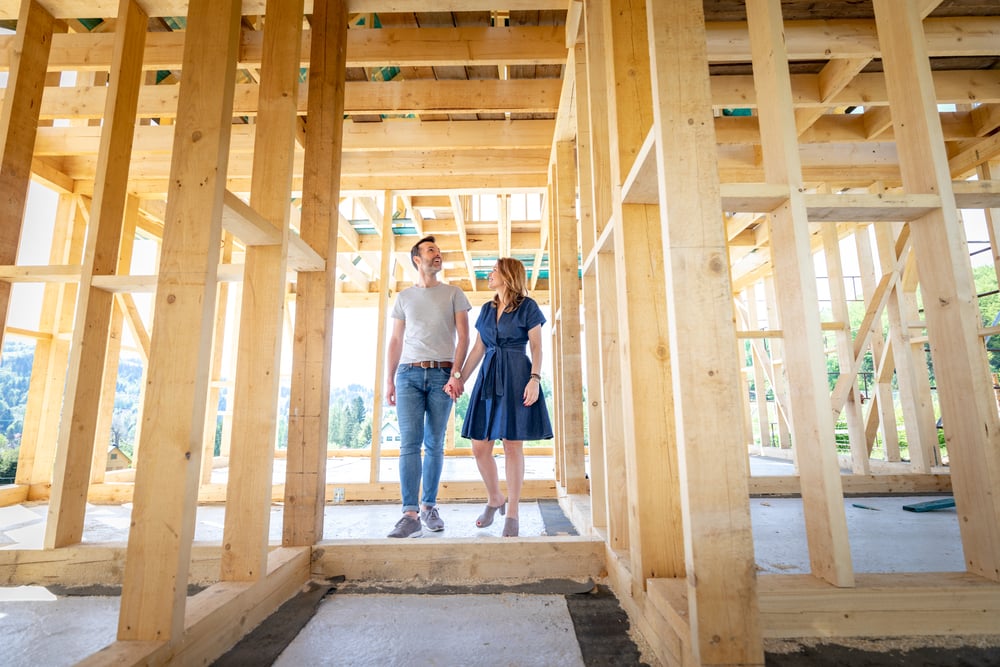
Choosing the right land is one of the most important steps when planning your dream home. By considering the type of land, property lines, location, zoning, soil quality, utilities, financial factors, legal requirements, and practical details, you can make a smart investment that supports both your lifestyle and future resale value.
As a custom home builder serving the greater Houston area & beyond, we understand the challenges of finding the perfect lot. Our team can guide you through evaluating land, understanding regulations, and planning your build, helping you make confident decisions.
Ready to find the perfect piece of land for your home? Send us a consultation request and take the first step toward building your dream home.

Nick Picklo, son of Terry Picklo, grew up immersed in the world of construction. With a keen passion for construction science, he continuously explores emerging technologies and sustainable building practices to enhance every project. His commitment to staying ahead of industry changes drives innovation in residential construction, ensuring that each home reflects the latest advancements in quality, efficiency, and design.