Designing a master bedroom that feels spacious and comfortable is more challenging than it seems. Too much furniture makes the room feel cramped. Too little makes it feel empty. According to the U.S. Census Bureau, 44.5 percent of new single-family homes have three bedrooms, making thoughtful floorplan planning essential for maximizing space.
Maximizing space is not about fitting more furniture in. It is about balance, flow, and smart storage. Simple changes in furniture placement and built-in storage can turn even a modest bedroom into a calm and functional retreat.
A well-planned master bedroom floor plan allows homeowners to move freely, store items efficiently, and enjoy a room that is both comfortable and stylish. Focusing on layout first ensures the space works for the way people actually live.
Key Takeaways
- Smart furniture placement creates more usable space
- Built-in storage solutions reduce clutter
- Efficient flow improves movement and comfort
- Strategic lighting and mirrors can enhance the sense of space
- Personalized layouts support both style and functionality
Understanding Master Bedroom Floorplans
Before you start planning furniture or design changes, it helps to understand your master bedroom floorplan. You may see the terms “bedroom floor plan” and “bedroom floorplan” used in different ways, but they mean the same thing. Both describe the layout of your bedroom, including the room’s shape, size, and the placement of doors and windows. The spelling doesn’t matter nearly as much as how the layout works for you.
Most master bedrooms fall into a few common shapes. Rectangular layouts are the most popular and usually the easiest to work with. They give you clear wall space for the bed and leave room to walk around it. Square bedrooms feel balanced, but they can be harder to arrange because all the walls are the same length. L-shaped bedrooms include an extra corner or nook, which can be great for a seating area or desk if you plan it well.
Your bedroom layout plays a big role in where furniture fits and how you move through the space. A good floorplan allows easy walking paths, keeps doors and closets clear, and helps the room feel open instead of crowded. Even a large bedroom can feel uncomfortable if the layout is ignored. When you understand your floorplan and work with it, your master bedroom will feel more comfortable, functional, and relaxing.
Tip 1: Measure and Map Your Space
Before moving furniture or buying anything new, take the time to measure your master bedroom. Measure each wall, the size and location of windows and doors, and don’t forget closet doors and how far they swing open. These small details can make a big difference.
Next, sketch a simple floorplan. It doesn’t need to be fancy or perfectly to scale; a basic drawing on paper is enough to visualize the room and plan furniture placement. Once your layout is mapped, consider how the space will be used. Most master bedrooms have three main zones:
- Sleeping: usually centered around the bed
- Storage: closets, dressers, and other storage pieces
- Seating: a chair, bench, or small sitting area
Tip 2: Optimize Furniture Placement
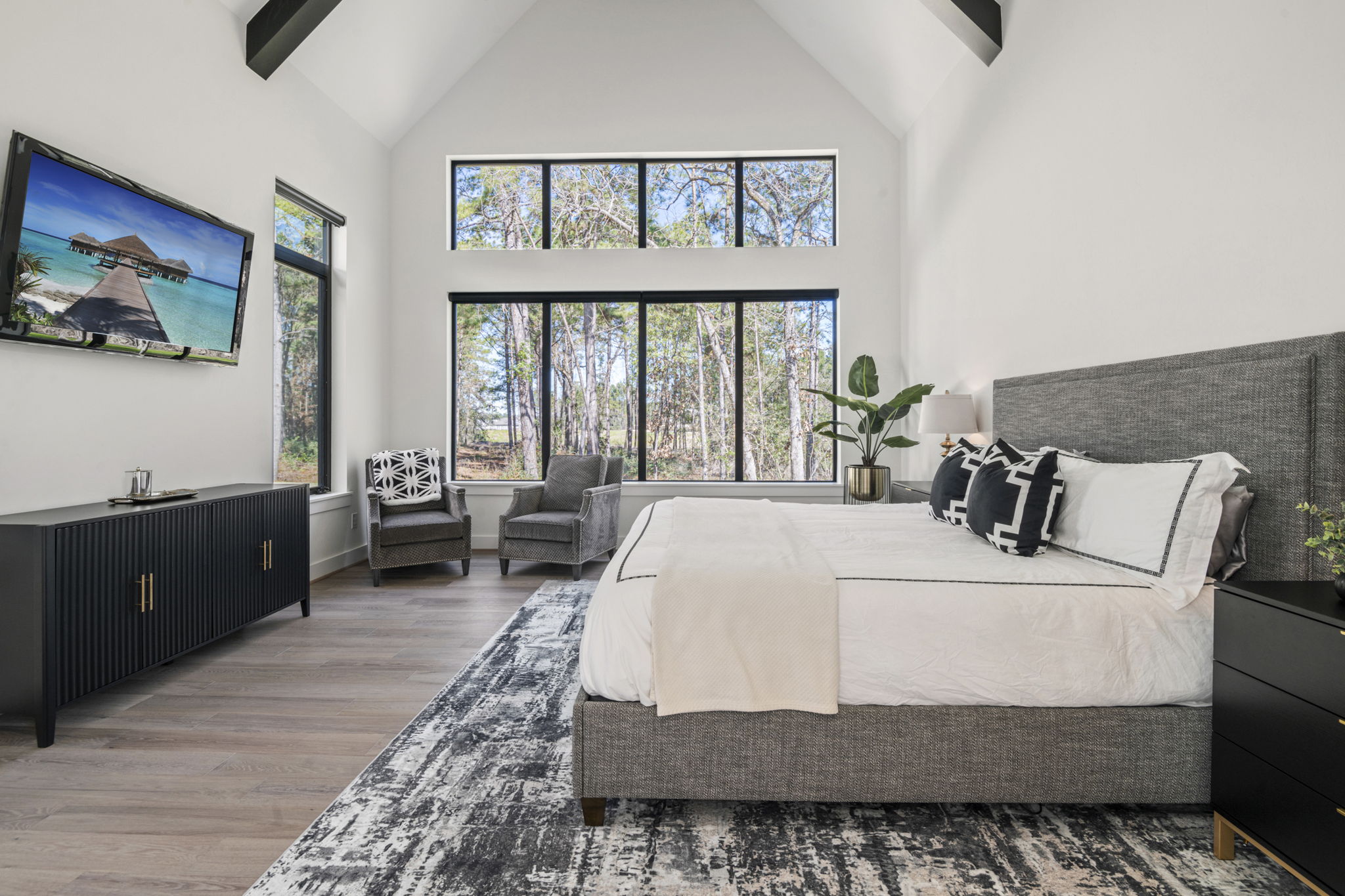
With your space mapped, focus on arranging furniture in a natural, open way. Start with the bed, it’s the largest and most important piece. Position it as the focal point when entering the room, ideally against a solid wall, while keeping pathways clear.
Pay attention to traffic flow. You should be able to walk around the bed, reach the closet, and open doors without feeling cramped.
Finally, leave enough room for other furniture like nightstands, dressers, and seating. Nightstands should fit comfortably beside the bed, dressers need space for drawers to open fully, and seating should feel relaxed, not squeezed. When furniture has breathing room, your bedroom will feel more spacious, calm, and functional.
Tip 3: Maximize Storage Without Crowding
\Storage is essential, but too many bulky pieces can make the room feel tight. se solutions that don’t take up valuable floor space, like:
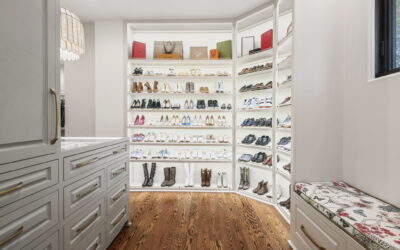
- Built-in closets and wardrobes: utilize wall space efficiently
- Under-bed storage: drawers or bins for bedding, seasonal clothes, or shoes
- Wall-mounted options: floating shelves or wall-mounted cabinets keep walkways clear
Tip 4: Consider Lighting and Mirrors
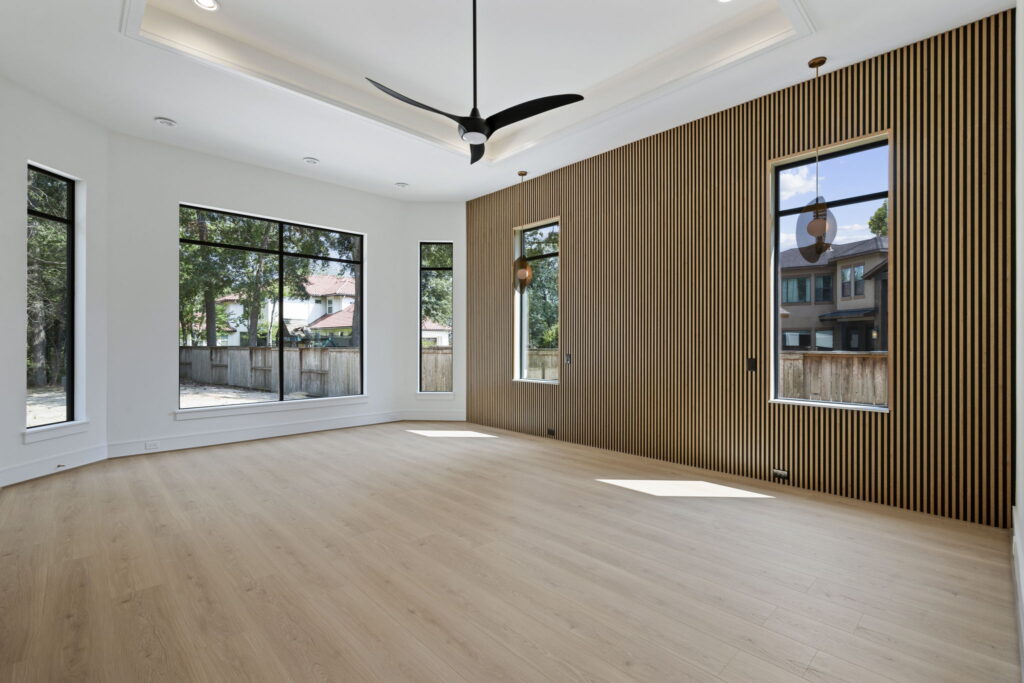
Lighting affects how spacious your bedroom feels. Maximize natural light by keeping windows clear and using light curtains or shades. Add layered lighting, such as:
- Ceiling lights for overall brightness
- Task lighting for reading or dressing
- Ambient lighting for a soft, relaxing glow
Mirrors also make the room feel larger. Placing one across from a window reflects light, while large mirrors or mirrored closet doors add depth without taking up floor space. The right combination of lighting and mirrors makes your master bedroom brighter, calmer, and more open.
Tip 5: Choose Functional and Multi-Purpose Furniture
In a master bedroom with limited space, selecting the right furniture is key. Focus on multi-purpose pieces such as storage beds, benches with hidden compartments, or foldable furniture that serve more than one function while saving space.
Keep furniture proportional to the size of the room; oversized beds, dressers, or chairs can quickly make the space feel crowded and heavy. Choosing simpler, well-sized pieces ensures there’s enough room to move comfortably and makes the bedroom feel lighter, more open, and easier to live in.
Tip 6: Maintain Clear Pathways and Flow
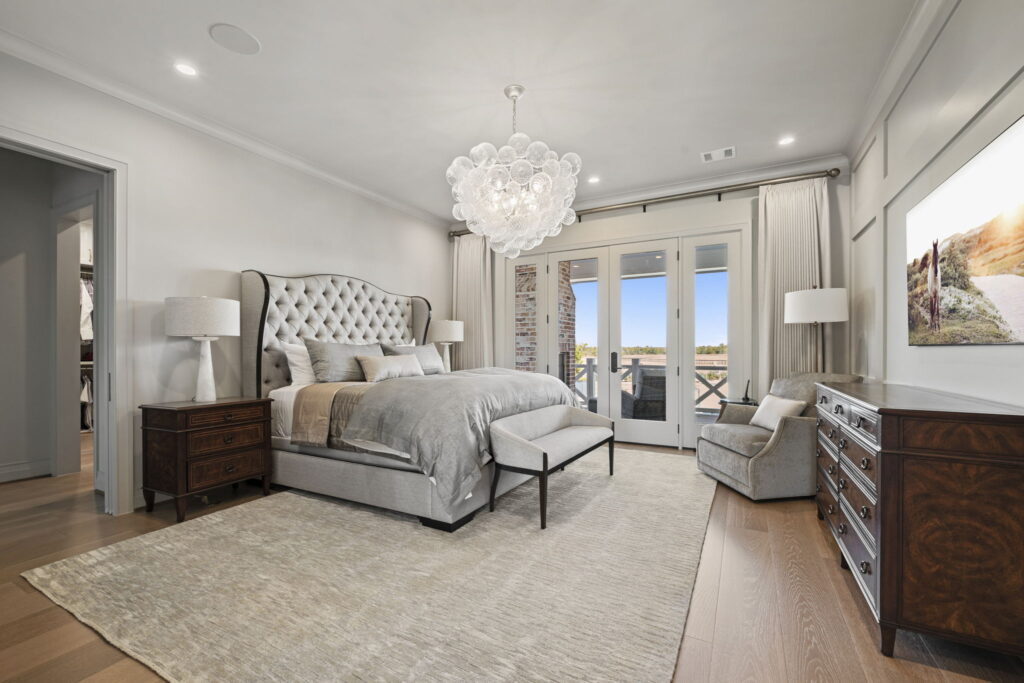
Finally, ensure your bedroom is easy to navigate. Walkways around the bed, to closets, and to bathrooms should be clear, no squeezing or sidestepping required.
Balance furniture with open floor space. Even small bedrooms feel calmer and more spacious when you leave room to move freely. A layout with natural flow makes your master bedroom functional, comfortable, and relaxing.
Common Master Bedroom Layouts
Most master bedrooms fall into a few common shapes, and each layout comes with its own advantages and challenges. Understanding these differences can help you place furniture and plan zones more efficiently.
| Layout Type | Pros | Cons | Best Use / Furniture Tips |
| Rectangular | Easy to arrange furniture; clear pathways | Can feel long and narrow if not balanced | Place the bed on the longest wall; leave space on both sides |
| Square | Balanced, versatile | Harder to place large furniture | Keep bed centered; use vertical storage to maximize space |
| L-Shaped | Extra nook for seating or desk | Can create awkward corners | Use the extra area for a reading nook or a small office setup |
By looking at this table, you can quickly see which layout fits your style and needs. Once you know your bedroom shape, you can plan furniture placement, storage, and lighting to make the most of your space. Choosing the right layout helps your master bedroom feel open, organized, and comfortable.
Bedroom Layout Questions
What is the best master bedroom floorplan for small spaces?
For small master bedrooms, simple rectangular or square layouts usually work best. They make it easier to place furniture while leaving enough room to move around. L-shaped layouts can work too, but only if you plan carefully to avoid wasted corners. The key is keeping the layout uncluttered and functional.
How much space should I leave around the bed?
Ideally, leave at least 2–3 feet of walking space on either side of the bed. This allows you to get in and out easily and keeps the room from feeling cramped. You also want enough room to open closet doors or drawers without hitting furniture. Even a small difference in spacing can make the room feel much more open.
Are walk-in closets necessary for a functional floorplan?
Walk-in closets are nice, but they aren’t required for a functional bedroom. A well-organized reach-in closet or wardrobe can provide plenty of storage if you plan it carefully. The most important thing is keeping clothing and personal items accessible without crowding the room. Function matters more than size.
How can I make a narrow bedroom feel larger?
In a narrow bedroom, place the bed along the longest wall to open up floor space. Keep furniture minimal and proportional to the room size, and use vertical storage like shelves or tall dressers. Light colors, mirrors, and natural light also help the room feel brighter and less confined. Avoid overcrowding with extra pieces that block movement.
Can mirrors and lighting really make a bedroom feel bigger?
Yes! Mirrors reflect light and create the illusion of more space, especially when placed across from windows. Layered lighting, like ceiling lights, task lights, and ambient lamps, brightens the room evenly and adds depth. Together, they make the bedroom feel more open and inviting. Even small changes can have a big impact on the room’s overall feel.
Maximizing Your Master Bedroom Layout
A well-planned master bedroom floorplan can completely transform how your space looks and feels. By focusing on smart furniture placement, efficient storage, and layered lighting, you can make your bedroom feel larger, more organized, and comfortable. Taking the time to plan before buying furniture or starting renovations ensures your master bedroom becomes both functional and stylish.
As a custom home builder in Houston, we help homeowners create master bedrooms that maximize space and style. Our team specializes in thoughtful floorplan planning, storage solutions, and furniture layout strategies to make the most of every room.
Ready to create your dream master bedroom? Send us a consultation request and get a personalized floorplan.

Nick Picklo, son of Terry Picklo, grew up immersed in the world of construction. With a keen passion for construction science, he continuously explores emerging technologies and sustainable building practices to enhance every project. His commitment to staying ahead of industry changes drives innovation in residential construction, ensuring that each home reflects the latest advancements in quality, efficiency, and design.