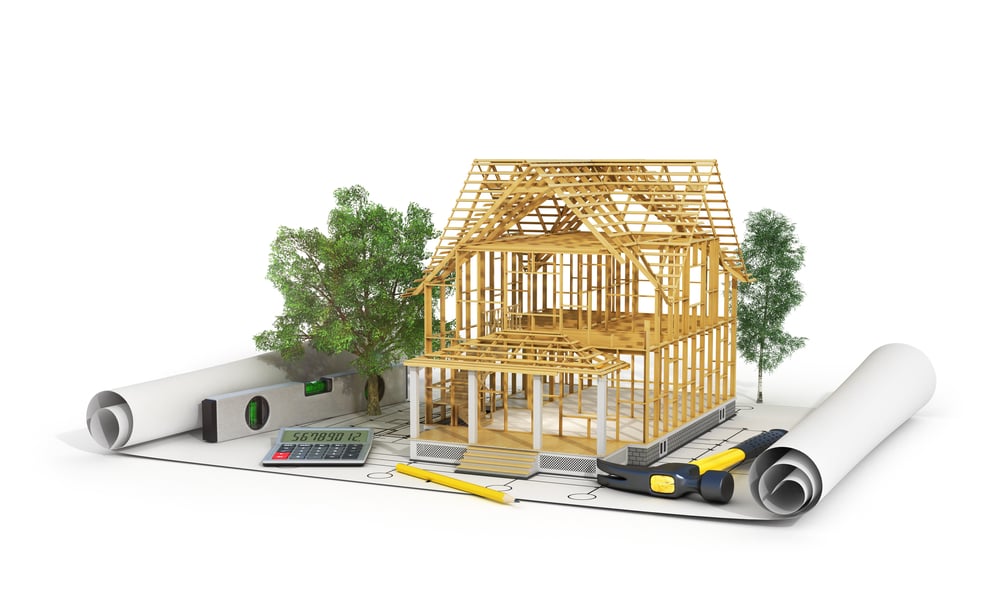
Building a custom home is one of the few opportunities to design every detail around how you live. From floor plans and exterior finishes to energy efficiency and long-term comfort, every choice reflects your priorities. It’s also a major financial and emotional investment, so careful planning is essential.
Many homeowners ask, “How much does it cost to build a custom home?” The answer varies widely depending on factors like square footage, materials, location, and design choices. Understanding the full scope of custom home construction, from site preparation to finishing touches, helps you budget effectively and avoid surprises.
Key Takeaways
- Planning and budgeting are the foundations of every custom home build
- Working with designers and architects brings your vision to life
- Proper permitting and site prep keep the process on track
- Quality construction and materials ensure durability and satisfaction
- Communication with your builder is key throughout the journey
What Is a Custom Home?
A custom home is built specifically for you, tailored to your lifestyle, preferences, and needs. Unlike production or spec homes, which use pre-designed layouts and limited finishes, custom homes allow complete control over every detail, from the number of bedrooms to the type of flooring, kitchen layout, and even electrical wiring choices.
Custom homes are ideal for families with specific needs, homeowners with unique lifestyle requirements, or anyone who wants their home to reflect personal style. While the total cost may be higher than a pre-built home, the ability to create a space that truly fits your life makes it worthwhile.
Step 1: Set Your Goals and Budget
Start by defining your lifestyle needs and priorities. Consider questions like:
- How many bedrooms or bathrooms do you need?
- Do you want a home office or hobby space?
- What level of energy efficiency or cost-effective features do you want?
Next, establish a realistic budget. Keep in mind that construction costs can vary widely depending on materials, labor, and design complexity. Typical expenses include:
- Land or lot purchase
- Site preparation, grading, and excavation
- Foundation and framing
- Plumbing, HVAC, and electrical wiring
- Exterior finishes and interior materials
- Permits, design fees, and additional costs like landscaping
Include a buffer, typically around 10% of your total budget, for unexpected expenses. Considering construction loans or financing options early can also help you plan effectively. Reviewing your budget with your builder before construction begins can further reduce surprises and keep your project on track.
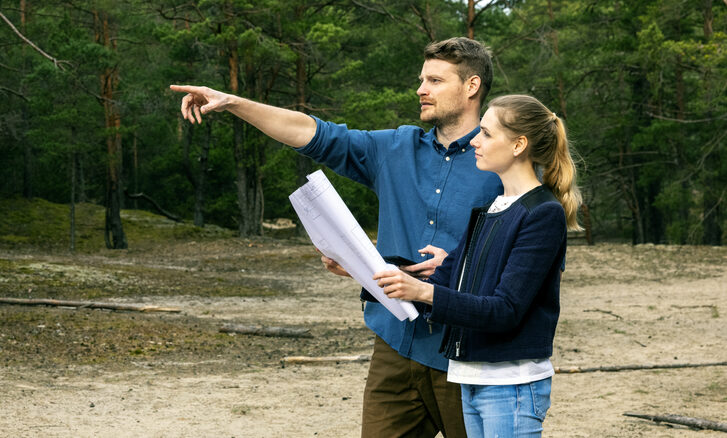
Step 2: Choose a Lot
Location matters just as much as your home itself. When choosing a lot, consider:
- Proximity to work, schools, and amenities
- Neighborhood and community features
- Land stability, zoning restrictions, and access to utilities
Some land may require additional site preparation, such as clearing trees, leveling, or installing driveways, which can impact the total cost. Choosing the right lot balances location, practicality, and construction feasibility.
Step 3: Design Your Custom Home
Work with an architect or home designer to create a plan that fits your needs, lifestyle, and lot. During this stage, decisions about square footage, room layouts, and exterior finishes are made. Design considerations include:
- Open floor plans versus separate spaces
- Energy-efficient and cost-effective materials
- Must-have features such as walk-in closets, home offices, or smart home systems
Finalizing your design before construction helps avoid changes mid-build, which can significantly increase additional costs. Taking the time to confirm materials, layouts, and finishes in advance ensures a smoother building process and more accurate pricing from the start.
Step 4: Permits and Approvals
Before construction begins, secure all necessary permits, including building, plumbing, and electrical approvals. Requirements can vary widely depending on location, so working with professional architects, engineers, or your general contractor can streamline the process.
Step 5: Choose a Builder
Once your design is ready and permits are in place, it’s time to choose a builder. Picking the right builder is one of the most important steps in creating a custom home. You want someone with experience, a solid reputation, and a track record of delivering quality homes on time and on budget. When interviewing builders, ask the right questions. For example:
- How many custom homes have you built?
- Can you provide references or examples of your work?
- How do you handle unexpected issues or changes during construction?
- What’s included in your contract, and how do you manage costs?
At Picklo Homes, we support homeowners through every step of the build process. From helping you understand your design and budget to coordinating with subcontractors and keeping the project on schedule, our team is there to make the experience as smooth and stress-free as possible. Choosing a trusted builder ensures your dream home becomes a reality without unnecessary surprises.
Step 6: Construction Phase
The construction phase is where your home begins to take shape. Key steps include:
- Site preparation and foundation work
- Framing, roofing, and exterior construction
- Installation of plumbing, electrical wiring, and HVAC systems
- Interior and exterior finishes, including flooring, cabinetry, lighting, and fixtures
Construction costs can vary widely depending on material quality, labor rates, and design complexity. Maintaining open communication with your builder helps keep your project on schedule and within budget.
Step 7: Final Walkthrough and Handover
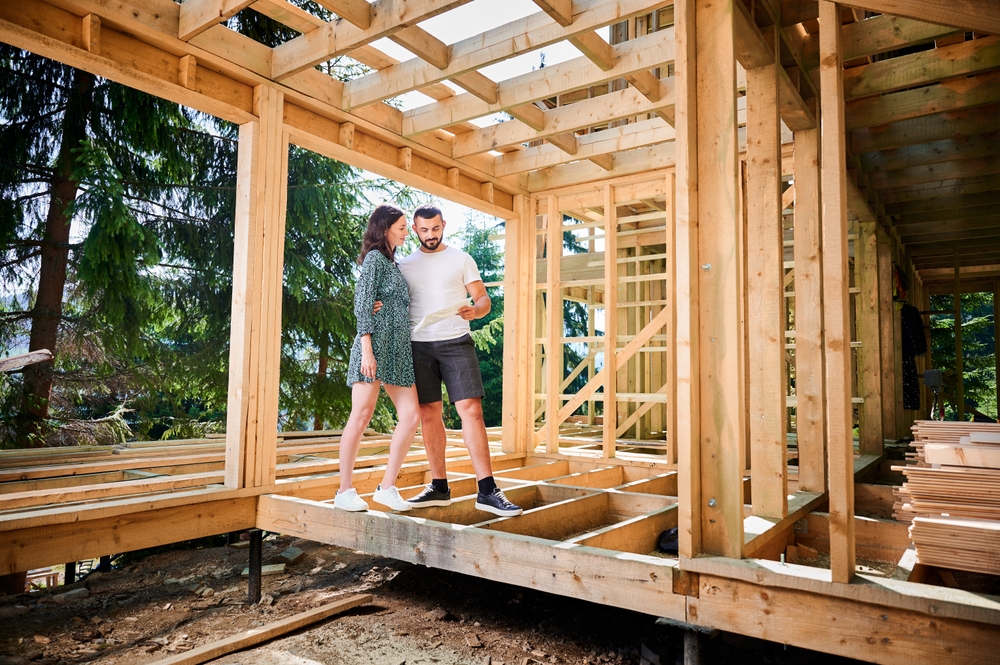
As your custom home nears completion, it’s time for the final walkthrough and handover. During this step, you’ll inspect every part of your home to make sure everything is built correctly. Builders usually create a punch list, which is a list of small items that need fixing or finishing, so nothing gets overlooked. Quality checks at this stage help ensure your home meets the high standards you expect.
Next, you’ll handle closing details and warranties. This includes signing any final paperwork, understanding the terms of your home warranty, and learning how to maintain your new systems. Knowing what’s covered and how to care for your home gives you confidence for years to come.
Finally, it’s time for move-in preparation. Schedule utilities, set up your internet and phone, and start planning how you want to arrange your furniture. After all the planning, designing, and building, this is the moment you’ve been waiting for, stepping into a home that’s truly yours.
Common Challenges and How to Avoid Them
Building a custom home is exciting, but it can come with challenges along the way. Knowing what to expect helps you stay prepared and avoid common pitfalls.
| Common Challenge | How to Avoid It |
| Budget overruns | Plan a realistic budget, include a 10% buffer for unexpected costs, and track expenses regularly. |
| Delays in permitting or materials | Submit permits early, stay in touch with local authorities, and order materials in advance. |
| Design changes mid-build | Finalize your design before construction starts and review plans carefully with your builder. |
| Communication breakdowns | Keep regular meetings with your builder and design team, and use clear methods to track updates and decisions. |
By planning and working closely with your builder, most of these challenges can be minimized. Clear communication and careful budgeting make the process smoother and less stressful. Remember, every challenge is easier to handle when you spot it early and have a plan in place.
Custom Home Building Questions
How long does it take to build a custom home?
The timeline for building a custom home can vary depending on the size, complexity, and location of the project. On average, it takes about 8 to 12 months from groundbreaking to move-in. Planning, permitting, and material availability can affect this timeline, so it’s important to stay in regular communication with your builder. Being patient and organized helps keep the project on track.
What is the average cost to build a custom home?
The cost of a custom home depends on many factors, including size, design, materials, and location. On average, building a custom home can range from $200 to $400 per square foot, but high-end finishes or unique designs can increase this cost. It’s important to set a realistic budget early and include both construction and soft costs, like permits and design fees. Your builder can help provide a detailed estimate to avoid surprises.
Do I need an architect to build a custom home?
While not required, working with an architect or home designer is highly recommended for a custom home. Architects can turn your ideas into functional, safe designs that meet building codes and fit your lot. They also help ensure that your home flows well and includes all your must-have features. For some simpler projects, experienced builders can help with design, but an architect adds an extra layer of expertise and personalization.
What should I budget for contingency or upgrades?
It’s smart to set aside about 10% of your total budget for contingencies or upgrades. This covers unexpected costs, like design changes, material price increases, or additional site work. Planning for these extras ahead of time prevents stress and keeps your project on track. Having a buffer ensures your dream home can include all the details you want without breaking the bank.
How involved will I be in decisions during construction?
Building a custom home is a collaborative process, and your level of involvement can vary. Most homeowners stay engaged by reviewing progress, approving selections, and making key design decisions along the way. Your builder will guide you through each stage and keep you updated on timelines and choices. Being involved ensures your home reflects your vision while allowing professionals to handle the technical details.
Turning Your Custom Home Dream Into Reality
Building a custom home takes careful planning, design, and construction, but it’s a rewarding process that results in a home perfectly suited to your lifestyle. From setting your goals and budget to choosing a lot, designing your space, and overseeing construction, every step matters in turning your vision into reality.
As a custom home builder in Houston, we are dedicated to helping homeowners create high-quality, personalized homes. Our team works closely with clients throughout the entire process, from design decisions to construction management.
Ready to start building your dream home? Send us a consultation request and take the first step toward creating the custom home you’ve always wanted.

Nick Picklo, son of Terry Picklo, grew up immersed in the world of construction. With a keen passion for construction science, he continuously explores emerging technologies and sustainable building practices to enhance every project. His commitment to staying ahead of industry changes drives innovation in residential construction, ensuring that each home reflects the latest advancements in quality, efficiency, and design.