Imagine diving into your backyard pool on a hot Houston afternoon to find the water murky and uninviting. A well-maintained pool circulation system plays an essential role in keeping your pool water clear, clean, and comfortable. By continuously moving water through the pool, filter, pump, and other components, the circulation system helps remove debris, distribute chemicals, and maintain consistent water quality. Understanding how these components work together can help homeowners better appreciate the importance of proper pool circulation and maintenance.
Key Takeaways
- Pool circulation helps prevent stagnant water and maintain clarity
- The pump keeps water moving throughout the system
- Skimmers and drains help remove debris
- Filters remove impurities from the water
- Proper circulation helps distribute pool chemicals evenly
Understanding Pool Circulation Systems
A pool circulation system keeps water moving through the pool to help prevent stagnant water, algae, and bacteria. Proper circulation is important for keeping the pool clean, clear, and comfortable for swimming. The pump is the main part of the circulation system. It pulls water from the pool through the skimmers and drains, then sends it through the filter before returning it to the pool.
Skimmers and drains help collect debris from different areas of the pool. Skimmers remove leaves and other debris from the water’s surface, while drains help remove debris and water from the bottom of the pool. The filter removes dirt, debris, and other impurities from the water. Common filter types include sand, cartridge, and diatomaceous earth filters. Each type has different cleaning and maintenance needs. Proper circulation also helps distribute pool chemicals evenly throughout the water. This helps prevent areas where bacteria and algae can grow and supports a cleaner, healthier swimming environment.
Key Components of a Pool Circulation System
A pool circulation system uses several components to keep water moving, filtered, and clean. Each part has a specific role, and together they help maintain clear and healthy pool water.
| Component | Purpose |
| Pool Pump | Moves water through the circulation and filtration system |
| Filter | Removes dirt, debris, and other impurities from the water |
| Skimmer | Collects leaves, bugs, and other debris from the water’s surface |
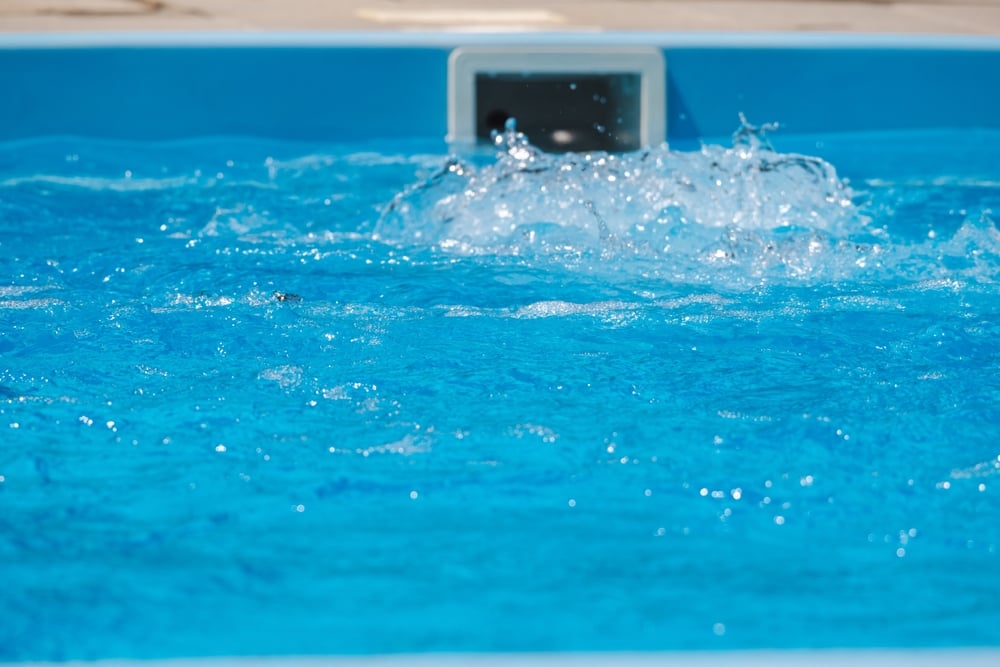
| Return Jets | Push filtered water back into the pool to improve circulation |
| Drains | Help remove water and heavier debris from the bottom of the pool |
These components work together to keep water circulating throughout the pool. Proper circulation helps reduce debris, prevent stagnant areas, and support cleaner, healthier pool water.
Benefits of Proper Water Circulation in Your Pool
Proper water circulation helps keep your pool clean, clear, comfortable, and safe. When water moves through the system properly, it supports better chemical distribution, reduces buildup, and helps the pool stay ready for swimming.
- Helps prevent algae and cloudy water – Consistent water movement helps reduce stagnant areas where algae and buildup can develop.
- Keeps water temperatures more consistent – Good circulation helps distribute heated water evenly throughout the pool.
- Supports balanced chemical levels – Proper circulation helps spread pool chemicals evenly through the water.
- Creates a cleaner swimming environment – Regular water movement and filtration help reduce dirt, bacteria, and other impurities.
- Can reduce maintenance needs – Better circulation helps keep the water cleaner and may reduce the need for frequent cleaning and chemical adjustments.
Tips for Choosing the Right Pool Circulation System
Choosing the right pool circulation system can make pool maintenance easier and more efficient. Consider your pool’s needs, energy use, and long-term costs when comparing different options.
- Consider your pool size and shape – Choose a system with the right capacity for your pool.
- Look for energy-efficient pumps – Variable-speed pumps can help reduce energy use and operating costs.
- Compare different system options – Review the features, benefits, and maintenance needs of different circulation systems.
- Work with a pool professional – A professional can recommend a system based on your pool’s size, design, and needs.
- Consider long-term costs – Look beyond the initial price and consider energy use, maintenance, and replacement costs.
Maintaining Your Pool Circulation System for Longevity
Regular maintenance helps keep your pool circulation system working properly and can extend its lifespan. Cleaning the filters regularly helps the system run efficiently and prevents unnecessary strain. It is also important to check the pump for leaks, unusual noises, or changes in performance.
Keep skimmer baskets and drains clear of leaves, dirt, and other debris to maintain proper water flow. Scheduling routine maintenance with a pool professional can also help identify problems before they become more expensive repairs. Finally, monitor water levels and chemical balance to help protect the circulation system and maintain safe, clean pool water.
Pool Circulation Systems FAQs
How do I get more circulation in my pool?
Improving your pool’s circulation can be achieved in several ways. Start by cleaning the skimmer and pump baskets regularly to prevent clogs. Adjust the return jets to create a circular water flow pattern. Run the pump for longer periods, especially during peak swimming season. Regularly brushing the pool walls and floor helps too. If your pool has multiple returns, ensure they’re all open and functioning. Finally, consider upgrading your pump or adding a booster pump for enhanced circulation.
How do I circulate my pool water without a pump?
If your pump is unavailable, you can manually circulate the water using a pool brush or pool vacuum. By pushing water towards the skimmer with a brush, you can encourage debris to enter the filtration system. Another method is using a submersible pump as a temporary solution. These methods aren’t as efficient as a pump but can help maintain some level of circulation until repairs are made.
How does a pool circulation system work?
A pool circulation system keeps water clean and clear by moving it through a filter, removing debris and contaminants. It starts with the skimmer collecting debris from the water’s surface. Then, the pump draws water through the skimmer and main drain, pushing it through the filter. The clean water returns to the pool via the return jets, creating a continuous cycle that helps maintain balanced chemical levels and prevents algae growth.
How many hours a day should a pool circulate?
Typically, your pool should circulate for about 8 to 12 hours daily, depending on factors like pool size, usage, and pump efficiency. Running the pump during daylight hours can be more effective since algae grow faster in the sun. If you’re unsure about the ideal circulation time for your pool, consult with a pool professional to tailor the schedule to your specific needs and maintain optimal water quality.
What does a pool circulation system do?
A pool circulation system ensures water movement, which is crucial for maintaining clean and healthy pool water. It helps distribute chemicals evenly, preventing algae growth and reducing the risk of bacteria build-up. By constantly moving water through the filter, it removes debris and contaminants, keeping the pool water clear and inviting. Proper circulation also aids in maintaining balanced water chemistry, ensuring a safe and enjoyable swimming experience.
Maintaining a Pool Circulation System for a Healthy Pool
A properly maintained pool circulation system helps keep pool water clean, clear, and comfortable. From the pump and filter to the skimmers and drains, each component plays an important role in maintaining proper water flow and reducing the need for frequent maintenance.
As a custom home builder serving Houston, we understand the importance of designing homes and outdoor spaces around each homeowner’s needs.
Ready to create a home with an outdoor space designed for your lifestyle? Submit a consultation request to connect with Picklo Homes and discuss your custom home plans.

Nick Picklo, son of Terry Picklo, grew up immersed in the world of construction. With a keen passion for construction science, he continuously explores emerging technologies and sustainable building practices to enhance every project. His commitment to staying ahead of industry changes drives innovation in residential construction, ensuring that each home reflects the latest advancements in quality, efficiency, and design.