A backyard pool can offer a refreshing escape from the Houston heat, but the choice between saltwater and chlorinated systems plays a major role in overall comfort, maintenance, and long-term satisfaction. Each option comes with its own balance of cost, upkeep, and swimmer experience, making the decision highly dependent on personal priorities and lifestyle. Understanding how both systems function helps clarify which approach best fits your outdoor living space.
Key Takeaways
- Saltwater pools offer a smoother, more natural swimming feel, but typically come with higher upfront installation costs
- Chlorine pools are more budget-friendly to install, though they require more frequent chemical testing and adjustments
- Saltwater systems are often preferred for their reduced skin and eye irritation, especially for sensitive swimmers
- Chlorine pools remain a reliable and widely used option for consistent sanitation and clear water
- In Houston’s hot climate, maintenance needs and personal comfort preferences often play a key role in choosing the right system
Understanding Saltwater Pools and Chlorine Pools
When planning a backyard pool, it helps to understand how saltwater and traditional chlorine systems differ in both function and day-to-day maintenance. While both options rely on chlorine to keep water clean, they produce and manage it in different ways. These differences can impact everything from water feel and maintenance routines to long-term costs and equipment care.
Saltwater Pools
Saltwater pools use a salt chlorinator to convert dissolved salt into chlorine through a process called electrolysis. This creates a steady, lower-level chlorine output that many swimmers describe as softer and more comfortable on the skin and eyes. Even though the system relies on salt, the water still contains chlorine; it’s just generated in a more gradual way rather than added manually.
Many homeowners prefer saltwater systems for their reduced chemical handling and smoother swimming experience. However, they can require specialized equipment and may increase the risk of corrosion on certain pool components if not properly maintained.
Chlorine Pools
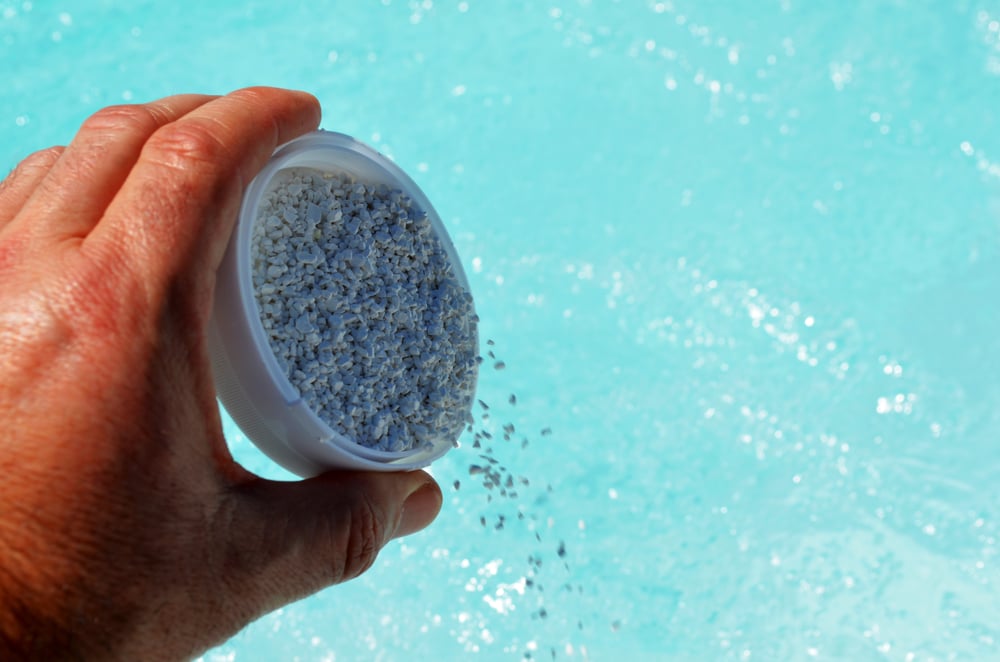
Chlorine pools rely on the direct addition of chlorine in liquid, tablet, or granular form to sanitize the water. This allows for quick and precise adjustments, making it easy to respond to changes in water quality, heavy usage, or algae growth. Because of this control, chlorine pools remain one of the most widely used pool systems.
While generally more affordable to set up, chlorine pools require more frequent testing and chemical balancing. The stronger chemical presence can also be more noticeable to some swimmers, particularly those with sensitive skin or eyes.
Maintenance Considerations for Saltwater and Chlorine Pools
Pool maintenance is an important factor when choosing between saltwater and chlorine systems, as each requires a different level of care and attention. Saltwater pools generally need fewer chemical adjustments because the system continuously generates chlorine. However, they still require upkeep, including cleaning the salt cell and monitoring for potential corrosion on certain equipment, especially in humid climates like Houston.
Chlorine pools require more frequent testing and chemical balancing to keep water properly sanitized. This means regularly adding chlorine and adjusting levels as needed, which can be more hands-on but offers direct control over water quality. While saltwater systems may reduce day-to-day chemical handling, they can involve long-term equipment considerations. Chlorine systems, on the other hand, tend to be simpler in terms of equipment impact but require more consistent maintenance effort.
Health Benefits of Swimming in Saltwater and Chlorine Pools
Both saltwater and chlorine pools offer clear health and wellness benefits, but they differ in how they affect skin, eyes, and overall swimming comfort. Saltwater systems are often associated with a gentler swimming experience, while chlorine pools are known for strong and reliable sanitation. The best choice often depends on sensitivity levels, usage frequency, and personal preference.
| Category | Saltwater Pools | Chlorine Pools |
| Skin & Eye Comfort | Generally gentler on skin and eyes with less irritation | Can cause dryness or irritation in some swimmers |
| Water Feel | Softer, more natural-feeling water | More noticeable chemical presence |
| Odor | Minimal chemical smell | A stronger chlorine odor may be present |
| Sanitation | Consistent chlorine generation for steady cleanliness | Highly effective and easily adjustable disinfection |
| Best For | Families, sensitive skin, relaxed swimming experience | High-traffic pools, precise water control, and strong sanitation needs |
Pros and Cons of Saltwater Pools
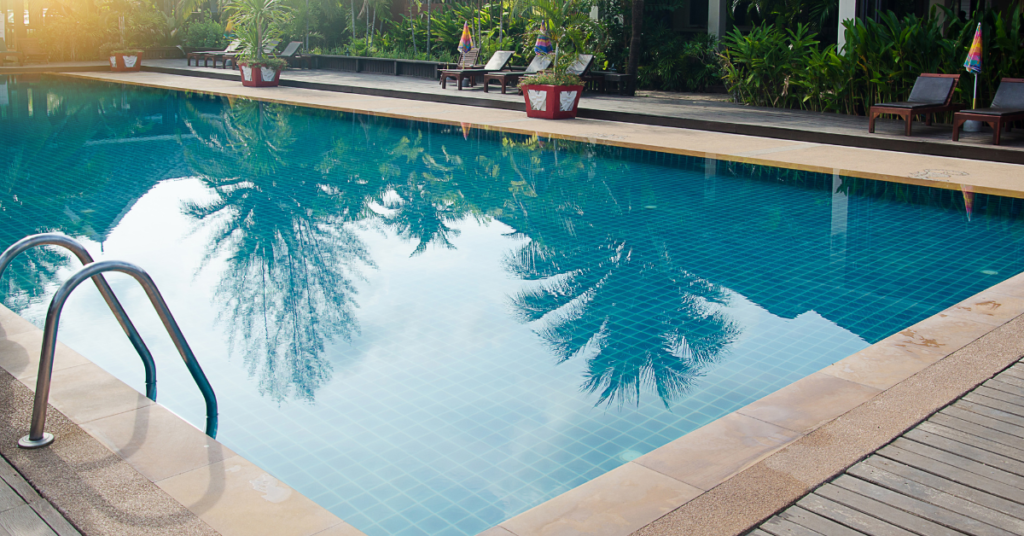
Saltwater pools are popular for their smoother swimming feel and reduced need for manual chemical handling. They use a salt chlorinator to generate chlorine automatically, which can make maintenance feel simpler and more consistent. Many homeowners also prefer the softer water experience, especially for sensitive skin. However, saltwater systems usually cost more to install upfront because of the salt chlorinator equipment. They can also cause corrosion over time in certain pool materials if not properly managed. While they may reduce chemical buying, long-term equipment care is an important consideration.
Pros and Cons of Chlorine Pools
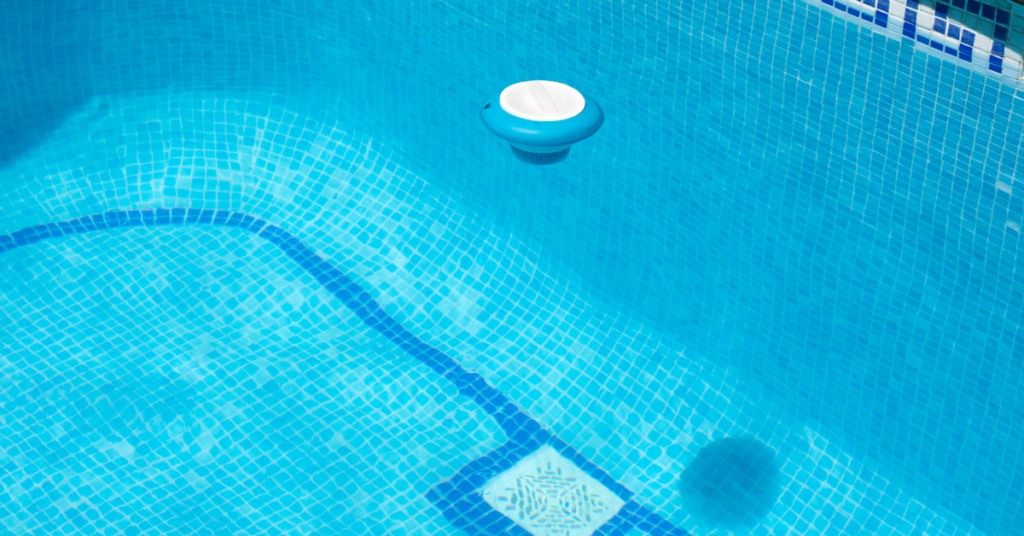
Chlorine pools are the traditional option and are often more affordable to install initially. They allow for quick, direct control over water and sanitation by adding chlorine as needed, which helps keep water consistently clean. On the downside, chlorine pools require more frequent chemical testing and balancing. They can also cause stronger chemical odors and occasional skin or eye irritation for some swimmers. While reliable and effective, they tend to be more hands-on to maintain over time.
Choosing the Right Pool System for Houston, Texas Homeowners
Houston’s warm, humid climate makes backyard pools a popular way to stay cool, but it also affects how each pool system performs and is maintained. Saltwater and chlorine pools both work well in this environment, but they come with different considerations for upkeep, comfort, and long-term costs. Understanding how each system handles heat, humidity, and heavy use can help guide the right choice for your home.
Saltwater pools are often appealing in Houston because they offer a smoother swimming experience and reduced daily chemical handling. However, the humidity and moisture in the region can increase the risk of corrosion on certain equipment, which should be factored into long-term maintenance. Chlorine pools provide strong, reliable sanitation even during peak summer heat and heavy pool usage. They may require more frequent chemical adjustments due to evaporation and higher temperatures, which are common in Houston’s climate.
Energy use and water loss from evaporation are also important considerations for both systems in this region. Warmer weather can increase maintenance demands regardless of pool type, so efficiency and upkeep needs should be part of the decision. Overall, the best choice for Houston homeowners depends on budget, maintenance preference, and how the pool will be used throughout the year.
Saltwater and Chlorinated Pool FAQs
Is it better to have a saltwater pool or a chlorinated pool?
Deciding between a saltwater and a chlorinated pool depends on your specific needs and preferences. Saltwater pools offer a softer swimming experience with less noticeable chlorine smell. They require less maintenance but have higher upfront costs. Chlorinated pools are typically cheaper to install but need regular chemical balancing and can have a stronger chlorine odor. Consider factors like budget, maintenance, and personal sensitivity to chlorine when making your choice.
Can a pool be both salt water and chlorine?
A saltwater pool is technically a type of chlorinated pool. It uses a salt chlorine generator to convert salt into chlorine, which sanitizes the water. So, while a saltwater pool doesn’t require the direct addition of chlorine tablets or granules, it still utilizes chlorine to keep the water clean. This method provides a gentler swimming experience.
How often do chlorine pools need maintenance?
Chlorine pools typically require regular weekly maintenance to keep water clean and balanced. This includes testing chlorine and pH levels, adjusting chemicals as needed, and cleaning the pool to prevent algae buildup. During hot Houston summers or periods of heavy use, maintenance may need to be done more frequently to keep the water safe and clear.
What is the difference between a saltwater pool and a chlorinated pool?
The main difference lies in how they maintain chlorine levels. Saltwater pools use a generator to produce chlorine from dissolved salt, offering a more consistent and milder chlorine presence. Traditional chlorinated pools require manual addition of chlorine tablets or granules. Saltwater pools usually have a gentler feel, while chlorinated pools may have a stronger chlorine odor and require more frequent chemical balancing.
How often do saltwater pools need maintenance?
Saltwater pools still require regular upkeep, even though they are often lower maintenance overall. The salt cell needs periodic cleaning, and water chemistry should still be tested to ensure proper balance. Routine inspections help prevent corrosion and keep the system running efficiently.
Choosing the Right System for Your Home
Saltwater and chlorine pools each offer distinct advantages when it comes to comfort, maintenance, cost, and long-term performance. Saltwater systems are often favored for their softer feel and reduced chemical handling, while chlorine pools remain popular for their affordability and precise sanitation control. Both options can perform well, especially when matched to the homeowner’s needs and local climate conditions.
As a pool design and construction company, we help homeowners evaluate the right pool systems for their backyard lifestyle. Our team understands how Houston’s heat, humidity, and year-round pool usage impact long-term maintenance and material performance.
Ready to decide which pool system is right for your home? Send us a consultation request today to start planning your custom pool project.

Nick Picklo, son of Terry Picklo, grew up immersed in the world of construction. With a keen passion for construction science, he continuously explores emerging technologies and sustainable building practices to enhance every project. His commitment to staying ahead of industry changes drives innovation in residential construction, ensuring that each home reflects the latest advancements in quality, efficiency, and design.