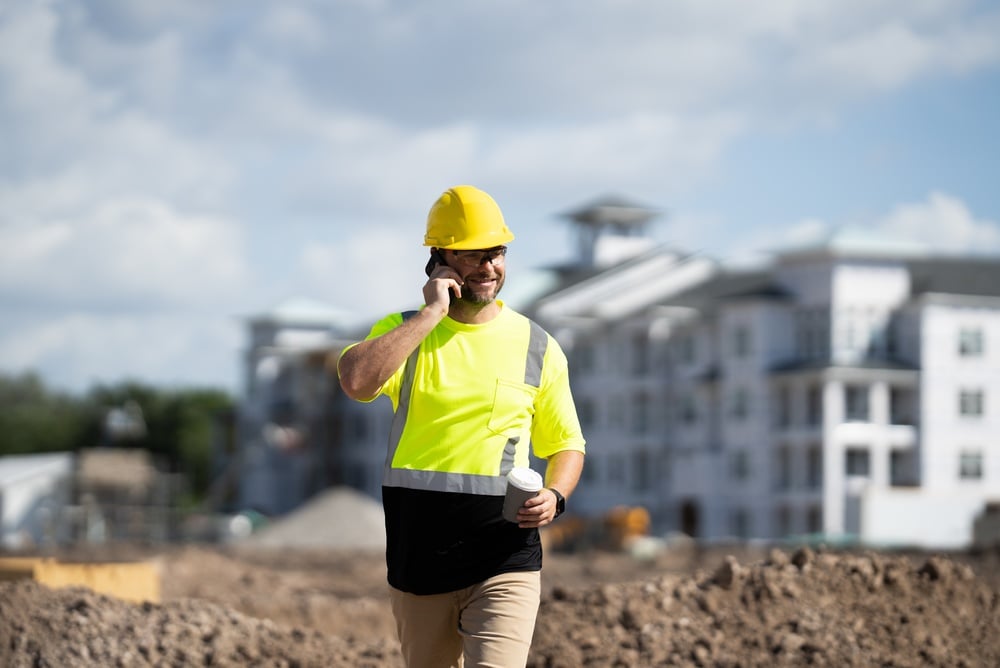
Building a custom home in Houston offers an exciting opportunity to create a space tailored to your lifestyle in one of the fastest-growing and most diverse cities in Texas. From established neighborhoods to new master-planned communities, the area provides a wide range of options for homeowners looking to bring their vision to life. Choosing the right residential builder is a key step in turning those plans into a finished home that meets your expectations for design, quality, and functionality. Finding the right builder requires careful research and an understanding of what sets experienced professionals apart in the Houston market.
Key Takeaways
- Online reviews and social media provide insight into a builder’s reputation and client satisfaction
- Texas building requirements and processes influence how residential projects are planned and executed
- Several factors, including experience, communication, and specialization, impact builder selection
- A builder’s portfolio reflects the quality, style range, and scope of their completed projects
- Common evaluation points include licensing, transparency, timelines, and project management approach
How to Research Builders’ Reputations and Reviews
Researching a builder’s reputation is an essential step in choosing the right professional for your project. Online review platforms such as Google Reviews, Yelp, and Angi offer valuable insight into past client experiences, helping identify consistent strengths or concerns like communication, quality, and project timelines.
Social media platforms like Facebook and Instagram can also reveal portfolios and real customer feedback, offering a closer look at a builder’s style and transparency. Word-of-mouth recommendations from trusted friends, family, or colleagues provide additional credibility through firsthand experience.
Local real estate agents can offer industry insight into reputable builders in the Houston market, while the Better Business Bureau (BBB) provides ratings and records of any formal complaints. Together, these sources create a well-rounded view of a builder’s reputation and reliability.
Understanding the Home Building Process in Texas
Building a home in Texas isn’t just about bricks and mortar; it’s about navigating a unique set of regulations and processes. Understanding the building process can make the difference between a smooth construction journey and a frustrating experience.
Texas’s regulations impact the home-building process significantly. Local zoning laws, building codes, and environmental regulations can vary, so it’s crucial to be informed. For instance, Houston’s permitting process requires careful attention to detail. You’ll need to secure the necessary permits before any construction can begin. This step can be time-consuming, but it’s essential for staying compliant.
The initial planning phase is where you lay the groundwork for your project. This includes designing the layout, selecting materials, and establishing a realistic budget. A well-thought-out plan ensures your project stays on track and within budget.
Construction timelines in Houston can differ based on the size and complexity of your project. A smaller home might take a few months, while a larger custom home could take a year or more. Discussing these timelines with your builder upfront helps set realistic expectations.
Finally, the inspection phase is when your new home undergoes rigorous scrutiny to ensure it meets local standards. This includes checking structural integrity, electrical systems, plumbing, and more. Passing these inspections is crucial for obtaining your certificate of occupancy and moving into your new home.
Factors to Consider When Choosing a Builder
Choosing the right builder is one of the most important decisions in the home-building process. It directly impacts your budget, timeline, and overall experience. The table below breaks down the key factors to evaluate when comparing residential builders in Houston.
| Factor | Why It Matters | What to Look For |
| Houston-area experience | Local knowledge helps navigate climate, soil conditions, and regional building styles | Proven projects in Houston and established local supplier/subcontractor relationships |
| Licensing & insurance | Protects you from legal, financial, and construction-related risks | Valid state licenses and up-to-date insurance coverage |
| Transparent pricing & contracts | Prevents unexpected costs and misunderstandings during construction | Detailed written estimates with clear breakdowns of labor, materials, and permits |
| Communication skills | Ensures a smoother building process and fewer delays or conflicts | Responsiveness, openness to feedback, and clear explanations |
| Eco-friendly building practices | Supports energy efficiency and long-term cost savings | Options for sustainable materials, energy-efficient designs, and green building methods |
Evaluating Builders’ Previous Projects and Portfolios
Before you sign on the dotted line, take a closer look at a builder’s past work. Their previous projects and portfolios offer a window into their craftsmanship and style, helping you determine if they’re the right fit for your project. A builder’s portfolio showcases their versatility and expertise. Look for diversity in design and quality in execution. Whether you’re dreaming of a modern mansion or a cozy bungalow, the portfolio should reflect the builder’s ability to deliver on various styles.
Site visits to completed homes can provide real-world examples of a builder’s quality. Walk through these homes, paying attention to details like finishes, materials, and overall craftsmanship. If possible, speak with the homeowners to get their insights on working with the builder. Customer testimonials are invaluable. They highlight both satisfaction and potential red flags. A builder with a trail of happy customers is more likely to deliver a positive experience for you. Awards and recognitions can also indicate a builder’s standing in the industry. While not a deal-breaker, accolades from reputable organizations can reinforce your confidence in a builder’s skills and reputation.
Residential Builder Questions
What does a residential builder do?
A residential builder is responsible for constructing homes. They manage projects from start to finish, coordinating with architects, subcontractors, and suppliers. Their duties include obtaining permits, ensuring compliance with building codes, and overseeing the construction process to ensure quality and safety. They also handle scheduling and budget management. Essentially, they bring your dream home to life by combining technical skills and project management expertise.
How do I find a reputable residential builder in Houston?
Start by asking friends, family, and colleagues for recommendations. Check online reviews and ratings on platforms like Google, Yelp, or Angie’s List. Visit local home shows and builder associations to gather information. Once you have a shortlist, interview potential builders, ask for references, and review their past projects. Ensure they are licensed, insured, and provide clear contracts. Trust your instincts and choose someone who understands your vision.
What should I ask a residential builder before hiring them?
Before hiring a residential builder, ask about their experience, licensing, insurance, and past projects. Request references from previous clients and ask how they handle timelines, budgets, and unexpected issues during construction. It’s also important to discuss communication expectations and how often you’ll receive updates throughout the project. A reliable builder should provide clear answers, detailed contracts, and a transparent construction process.
How long does it take to build a home in Houston?
The timeline for building a home in Houston depends on the size, design complexity, weather conditions, and permitting process. On average, a custom home can take anywhere from several months to over a year to complete. Delays can occur due to material shortages, inspections, or changes requested during construction. Working with an experienced residential builder can help keep the project organized and reduce unnecessary delays.
Why is it important to hire a local residential builder in Houston?
Hiring a local residential builder in Houston provides advantages such as knowledge of local building codes, permitting requirements, and neighborhood regulations. Local builders are also familiar with Houston’s climate and soil conditions, which can impact foundation and construction decisions. They often have established relationships with local suppliers and subcontractors, helping projects move more efficiently. Choosing a builder with local experience can lead to smoother communication and a better overall building experience.
How to Find a Residential Builder in Houston
Finding the right residential builder in Houston requires careful research, clear expectations, and a strong understanding of what separates experienced professionals from the rest. From checking reviews and evaluating portfolios to comparing communication styles and credentials, each step plays an important role in the decision-making process. Taking the time to assess these factors helps ensure your home is built with quality, efficiency, and long-term value in mind.
As a residential construction-focused company serving Houston and surrounding communities, we understand the importance of pairing homeowners with builders who align with their vision and project goals. Our approach is rooted in transparency, experience, and a deep understanding of the Houston housing market.
Ready to take the next step toward building your dream home in Houston? Request a consultation today to get started with a team that can help guide your project from planning to completion.

Nick Picklo, son of Terry Picklo, grew up immersed in the world of construction. With a keen passion for construction science, he continuously explores emerging technologies and sustainable building practices to enhance every project. His commitment to staying ahead of industry changes drives innovation in residential construction, ensuring that each home reflects the latest advancements in quality, efficiency, and design.