Purchasing land in Houston, Texas, with the dream of building your perfect home is an exciting journey, but it can also feel overwhelming. The prospect of designing and constructing a personal haven is thrilling, yet the process involves a maze of steps that can challenge even experienced developers. From understanding zoning regulations to evaluating environmental conditions, every detail matters. So, is your land truly ready for construction? Have you accounted for all the factors that determine whether your plot is development-ready, or could surprises await once construction begins?
Key Takeaways
- Understanding Houston’s zoning laws is crucial before buying land
- Check for any existing liens and disclose them when selling
- Local market trends guide informed buying and selling decisions
- Environmental regulations can significantly affect land use
- Ensure legal and zoning compliance to avoid costly mistakes
Considerations for Land Buyers and Sellers
Buying or selling land in Houston involves more than a contract; it requires careful attention to legal, environmental, and market factors. Buyers must understand zoning laws to ensure the land suits their intended use, while sellers should disclose liens and price properties based on local market trends. Both parties need to consider environmental regulations, as protected areas or floodplains can affect development potential. Staying informed is essential for a smooth transaction and a successful investment.
How to Assess if Your Land is Ready for Construction
Before you break ground, it’s essential to make sure your land is truly ready for construction. Skipping these checks can lead to costly delays or legal headaches down the road. The following table breaks down the pre-construction factors to assess when evaluating a plot of land:
| Factor | Why It Matters | How to Check |
| Land Survey | Defines exact boundaries and topography, preventing disputes and ensuring code compliance | Hire a professional surveyor for detailed measurements |
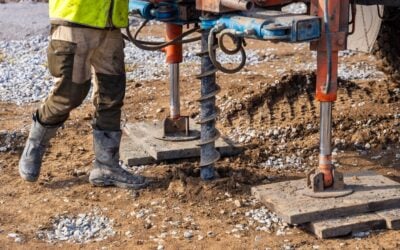
| Soil Conditions | Determines if the ground can support a building; prevents foundation issues | Conduct soil testing to assess stability and composition |
| Utility Access | Essential for water, electricity, and sewage connections | Verify availability and proximity of local utility services |
| Clear Title | Avoids legal disputes that could halt construction | Review property records and consult a real estate attorney |
| Local Building Codes | Ensures your home design complies with zoning and safety standards | Check municipal regulations for permissible structures and restrictions |
Avoiding Common Pitfalls in Land Development
Developing land requires careful coordination of permits, contractors, and other key elements. Overlooking any step can lead to delays and added costs. Understanding common pitfalls helps keep your project on track and your investment protected.
1. Skip No Site Assessment
Failing to conduct a thorough site assessment is a frequent mistake. Unstable soil, hidden environmental restrictions, or other surprises can quickly inflate costs. Treat a site assessment as your blueprint; without it, building can feel like stacking a house of cards. A detailed assessment also helps identify opportunities for cost-saving adjustments in design and site layout. Consulting with engineers or geotechnical experts ensures your land is safe and suitable for construction.
2. Mind Your Permits
Permit requirements are often overlooked, but ignoring them can lead to fines or stalled projects. Check with local authorities to ensure you have all necessary approvals. It’s better to get the paperwork right up front than face penalties later. Understanding permit timelines also helps you plan your construction schedule more accurately. Keeping copies of all permits and approvals on file can prevent disputes or misunderstandings during the build.
3. Do Your Due Diligence
Investigate every aspect of your property, from legal boundaries to historical land use. Skipping this research can result in unexpected expenses and legal complications. Comprehensive due diligence equips you to make informed, confident decisions. This includes reviewing environmental assessments, flood risk reports, and neighborhood development plans. Knowing potential obstacles ahead of time allows you to make strategic choices about design, budget, and timeline.
4. Avoid Overestimating Land Value
It’s easy to get carried away by your land’s potential, but overestimating value can strain finances. A professional appraisal provides a realistic perspective and helps set a price that reflects true worth. Market trends, comparable property sales, and location-specific factors should all influence your valuation. Being realistic about land costs ensures you allocate enough budget for construction and unexpected expenses.
5. Choose and Manage Contractors Wisely
Selecting the right contractors is essential. Look for professionals with proven experience in similar projects like Picklo Homes. Clear contracts and effective project management keep your vision on track and minimize unexpected hiccups. Regular communication and progress monitoring help prevent mistakes and delays. Establishing expectations, deadlines, and quality standards upfront ensures the final build meets your goals and avoids costly revisions.
Understanding Your Land Ownership in Houston
Owning land in Houston requires a solid understanding of legal, financial, and regulatory responsibilities to protect your investment and make the most of your property. Considerations include securing clear ownership through deeds and title insurance, staying aware of property tax implications, and understanding local zoning laws and easements that dictate land use. For developers and investors, compliance with Houston’s regulations is essential to avoid legal issues, while awareness of flood zones helps manage risk and insurance needs, ensuring your land remains both valuable and safe.
It’s also important to research the historical use of the property, as past activities can affect soil quality, environmental compliance, or future development options. Engaging with local authorities and professionals, such as surveyors and real estate attorneys, ensures you understand your rights and obligations fully. Finally, staying informed about neighborhood growth, infrastructure projects, and market trends can help you make strategic decisions and maximize your land’s potential over time.
Assessing Your Land for Home Building Readiness
Before starting construction, it’s essential to determine if your land is ready for home building. This requires a thorough evaluation of factors that affect both feasibility and long-term value.
Topography is a key consideration; steep slopes or uneven terrain may require additional grading or structural support, which can affect your budget and timeline. Access to public roads and proximity to major highways or transportation options impact construction logistics and future resale potential. Understanding Houston’s seasonal weather patterns is also crucial, as hot summers and occasional storms can influence project scheduling and delays.
Other factors, like closeness to schools, amenities, and services, enhance your land’s desirability, particularly for family homes. Collaborating with local architects ensures your design aligns with Houston building standards, zoning laws, and environmental regulations. Careful planning and evaluation of these elements help ensure your land is construction-ready, reducing surprises and setting the foundation for a smooth, successful home-building project.
Land Preparation FAQs
How can I tell if my land is suitable for building a home?
To determine if your land is suitable for building, start by checking the terrain and accessibility. Flat land is generally easier to build on, while slopes may require additional engineering. Also, ensure there’s access to utilities like water, electricity, and sewage. Consulting a local surveyor for a site assessment can provide insights into potential obstacles. Additionally, verify any local zoning regulations that might impact your plans.
What site assessments or surveys are needed before construction?
Before construction, it’s crucial to conduct a site survey to map property boundaries accurately. A soil test will reveal the land’s physical and chemical properties, crucial for foundation stability. Checking for environmental hazards, such as flood zones or protected areas, is also key. Lastly, a geotechnical survey can assess the land’s ability to support a structure.
Are there zoning or environmental restrictions that could affect the building?
Zoning laws dictate what types of structures can be built in specific areas. Check with your local government or zoning office to ensure your plans align with these rules. Environmental restrictions, like protected lands or wetlands, can limit building options. It’s essential to be aware of these regulations early to avoid costly changes later.
What steps should I take to prepare my land for construction?
Start by clearing the land of debris, vegetation, and any existing structures. Next, level the ground to create a stable building site. Ensure utilities like water, electricity, and sewage are available or plan for installation. It’s also wise to establish clear property boundaries with a surveyor. Finally, obtain all necessary permits before breaking ground.
How do soil quality and drainage impact home building readiness?
Soil quality affects the type of foundation you can use and overall building stability. Poor-quality soil may require additional engineering or soil amendments. Proper drainage is crucial to prevent water damage and flooding. Assessing the natural water flow and making adjustments, like installing French drains, can help maintain a dry and solid foundation.
Preparing Your Land for Home Building in Houston
Successfully preparing your land for home building requires careful assessment of factors like topography, accessibility, zoning, and local regulations. By evaluating these elements in advance, you can avoid costly setbacks and ensure a smoother construction process. Understanding your land’s potential and limitations is key to turning it into a successful home site.
As a custom home builder in Houston, we help property owners navigate every step of preparing their land for building. Our team is familiar with Houston’s zoning laws, flood zones, and environmental regulations, ensuring your project meets local standards.
Ready to take the next step in building your dream home? Send us a consultation request and professional guidance on preparing your land for development.

Nick Picklo, son of Terry Picklo, grew up immersed in the world of construction. With a keen passion for construction science, he continuously explores emerging technologies and sustainable building practices to enhance every project. His commitment to staying ahead of industry changes drives innovation in residential construction, ensuring that each home reflects the latest advancements in quality, efficiency, and design.