Many homeowners in Houston are exploring ways to enhance their living spaces with smart technology. Smart lighting and smart switches have emerged as popular options for those looking to improve convenience, energy efficiency, and control over their home environments. But with so many options available, which choice truly stands out?
As tech-savvy individuals weigh their options, the decision between smart lighting and smart switches can feel like a pivotal one. Both offer unique benefits and opportunities for innovation in home automation. Are you curious which smart home solution will offer the best bang for your buck and elevate your living experience?
Key takeaways
- Smart switches offer centralized control, making them ideal for managing multiple lighting fixtures seamlessly
- Smart lighting provides individual bulb customization and ambiance control, perfect for those focused on aesthetics
- Houston homeowners often cite energy efficiency and convenience as key reasons for choosing smart switches
- Compatibility with existing smart home systems is crucial, with options available for integration with Amazon Alexa, Google Home, and Apple Home
- Real-life reviews from local Houstonians highlight the practical benefits and drawbacks of each option
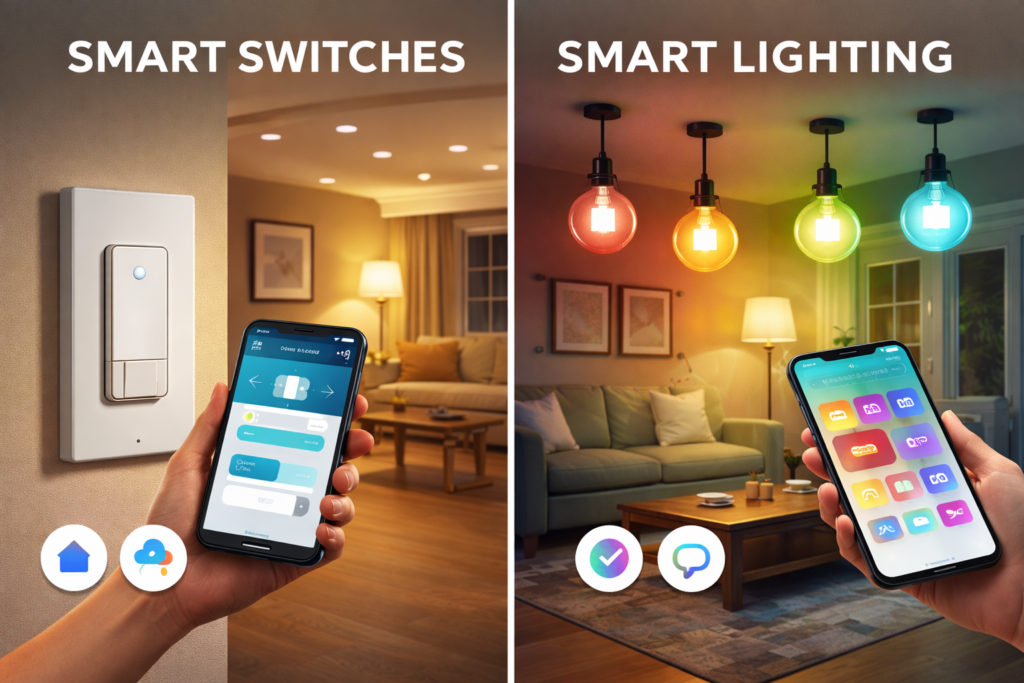
Smart Lighting vs. Smart Switches
A smart switch makes controlling home lighting simple by centralizing multiple fixtures through a single interface or a smartphone app. They can reduce energy use by ensuring lights are only on when needed, and features like dimming and automation further enhance efficiency. By controlling several lights at once, smart switches help prevent wasted energy and can lower electricity bills over time.
Smart lighting, on the other hand, offers individual control of each bulb, which allows for more precise energy management in specific areas of your home. For example, you can schedule certain rooms to dim or turn off automatically when not in use, or adjust brightness levels based on activity, reducing unnecessary power consumption. While smart lighting provides finer-grained control, it may require more upfront investment to achieve the same whole-home energy savings that smart switches can deliver efficiently.
Smart Lighting: Personalization and Ambiance
Smart lighting is all about enhancing the look and feel of your home. With control over color, brightness, and schedules, each bulb can be individually customized to create the perfect atmosphere for any occasion. Whether you want a cozy evening glow, vibrant party lighting, or a focused work environment, smart lighting turns your home into a versatile canvas.
This technology often requires additional hardware or hubs to unlock its full potential, but the payoff is seamless integration with smart home systems and voice assistants like Amazon Alexa and Google Home. Many homeowners in Houston appreciate the aesthetic and experiential benefits of smart lighting, noting how it can transform rooms into personalized retreats. While setup and cost may be higher, the flexibility and mood-enhancing capabilities make it a compelling choice for those who prioritize ambiance and creativity.
Smart Switches: Centralized Control and Efficiency
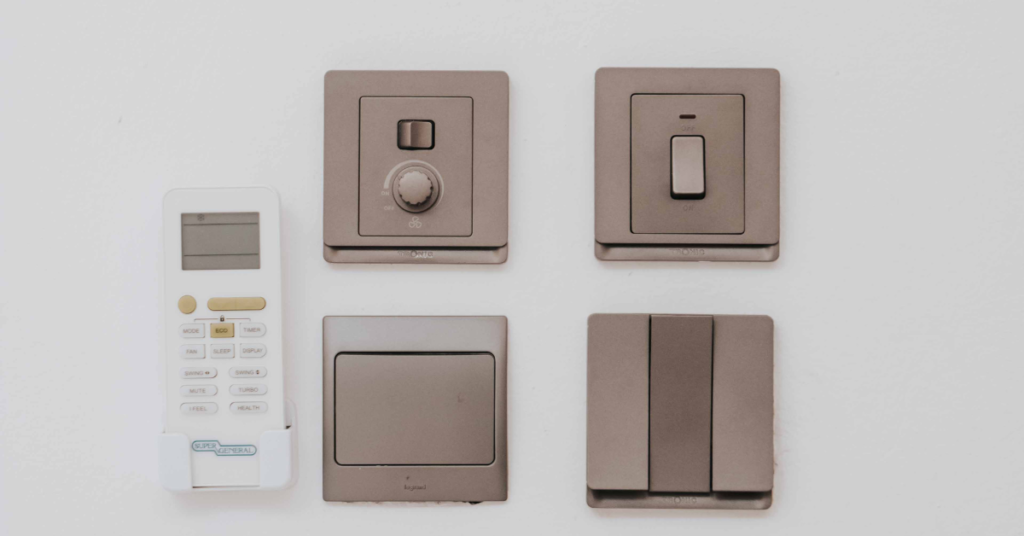
Unlike smart lighting, smart switches offer a more practical, streamlined approach. They allow you to control multiple lights throughout your home from a single point, reducing the need to manage individual bulbs. This centralized system is particularly appealing for homeowners who value convenience, energy efficiency, and simplicity.
Smart switches are generally easier to install and often come at a lower upfront cost than smart lighting. They integrate well with major smart home ecosystems, allowing you to automate schedules or control your lights remotely. For residents in Houston, smart switches provide a cost-effective way to manage home lighting while lowering energy bills, making them a popular choice for practical, everyday use.
Comparing Smart Switches and Smart Lighting
When it comes to upgrading your home with smart technology, deciding between smart switches and smart lighting can be tricky. Each option offers unique benefits, so understanding their differences helps homeowners choose what best fits their lifestyle.
| Feature | Smart Switches | Smart Lighting |
| Control | Centralized control of multiple fixtures | Individual control for each bulb |
| Customization | Limited to on/off/dimming settings | Full customization of color, brightness, and scenes |
| Installation | Replaces existing wall switches | Replaces or supplements existing bulbs |
| Cost | Generally lower upfront cost per switch | Can be more expensive, depending on bulb features |
| Energy Efficiency | Can help lower energy usage across multiple lights | Helps reduce energy usage per room, but has less impact on the whole home |
| Smart Home Integration | Works well with Alexa, Google Home, Apple Home | Works well with Alexa, Google Home, Apple Home |
| Ideal For | Streamlined, practical control | Personalized ambiance and creative lighting setups |
Choosing between these options often comes down to whether you prioritize efficiency and convenience or personalization and mood-setting. In Houston, many homeowners favor smart switches for their ability to manage home lighting while saving on energy costs.
Ultimately, both smart switches and smart lighting bring convenience, control, and innovation to your home. Understanding the differences ensures you select the solution that truly enhances your living space.
Which Is More Energy Efficient?
Smart switches make controlling home lighting simple by centralizing multiple fixtures through a single interface or a smartphone app. They can reduce energy use by ensuring lights are only on when needed, and features like dimming and automation further enhance energy efficiency.
While both smart switches and smart lighting can save energy, switches often provide a practical, cost-effective way to manage multiple lights at once, making them a strong choice for homeowners focused on reducing energy consumption without sacrificing convenience.
Smart Switches and Smart Lighting FAQs
What are smart switches?
Smart switches replace traditional light switches, allowing you to control your lights remotely using a smartphone app or voice commands. They work by connecting to your home’s Wi-Fi network and can be integrated with various smart home systems. Smart switches offer flexibility since they let you control multiple lights from one location, set schedules, and even create automation routines to improve energy efficiency and convenience.
What are the disadvantages of smart light switches?
Smart light switches can be more expensive than traditional switches, and they often require a neutral wire, which older homes may not have. Installation might be a bit tricky if you’re not comfortable with electrical work. Additionally, compatibility issues can arise with certain smart home ecosystems, and some users find the app interfaces less intuitive than expected.
Is it worth getting smart switches?
Smart switches can be a worthwhile investment if you’re looking to enhance your home’s convenience and efficiency. They allow for easy control of multiple lights, energy savings through scheduling, and integration with other smart devices. However, consider your budget, home wiring compatibility, and how much you value smart home automation when making your decision.
Do I need an electrician to install smart switches?
If you’re comfortable with basic electrical work, you might be able to install smart switches yourself. However, hiring a licensed electrician is recommended if you’re unsure about your home’s wiring or if your electrical system is outdated. This ensures a safe and proper installation, minimizing the risk of electrical faults or damage.
What’s the main difference between smart lighting and smart switches?
Smart lighting typically involves Wi-Fi-enabled bulbs that you can control via an app or voice assistant. In contrast, smart switches replace your existing light switches and offer control over traditional bulbs. The main difference lies in the level of control and flexibility: smart lighting provides individual bulb control, while smart switches manage entire light circuits.
Smart Switches vs Smart Lighting: Which Is Right for You?
Upgrading your home with smart lighting or smart switches can transform the way you live, offering convenience, energy efficiency, and personalization. While smart switches excel in centralized control and cost-effective energy management, smart lighting shines when it comes to customizing mood and ambiance in each room. Understanding the differences helps homeowners choose the solution that best fits their lifestyle and goals.
As a smart home integration builder in Houston, we help homeowners explore the benefits of smart switches and smart lighting for their unique spaces. From energy-saving upgrades to customizable lighting solutions, our team offers expert guidance and installation tailored to your home.
Curious which smart lighting solution is best for your home? Send us a consultation request and see how easy it is to upgrade your space with modern, energy-efficient lighting.

Nick Picklo, son of Terry Picklo, grew up immersed in the world of construction. With a keen passion for construction science, he continuously explores emerging technologies and sustainable building practices to enhance every project. His commitment to staying ahead of industry changes drives innovation in residential construction, ensuring that each home reflects the latest advancements in quality, efficiency, and design.