Building a swimming pool is a major home improvement decision, and interest in backyard pools continues to grow as homeowners invest more in outdoor living. When you understand the process from start to finish, you can plan with confidence, avoid delays, and make informed choices throughout your pool project.
This guide walks you through every stage of our pool building process, from early planning to final startup, so you know exactly what to expect and how experienced professionals help keep everything running smoothly.
Key Takeaways
- Building a pool happens in clear steps, from planning and design to final startup
- Planning your budget and goals early helps avoid surprises and delays
- Permits and proper design make sure your pool is safe and meets local rules
- Each construction step affects how strong and reliable your pool will be
- An experienced pool builder helps the process go smoothly from start to finish
Step 1 – Initial Planning and Budgeting
Every successful pool starts with careful planning. Before any construction begins, homeowners need to establish goals, priorities, and a realistic budget. This is the phase where expectations are set, and long-term costs are considered.
Decisions made here include how the pool will be used, which features matter most, and what fits comfortably within your investment range. Thoughtful planning early on helps prevent costly changes later.
Step 2 – Design and Engineering
Once your goals are clear, the focus shifts to pool design. This step turns ideas into detailed plans that reflect your yard, lifestyle, and preferences.
Homeowners choosing custom pool design work closely with design consultants to determine finishes, features, and the shape of the pool so it complements the home and outdoor space. Engineering evaluations are also completed to account for soil conditions, drainage, and structural requirements, ensuring the pool is both beautiful and built to last.
Step 3 – Permits and Approvals
Before construction can begin, all required permitting applications must be submitted and approved. This process ensures the pool meets local building codes, safety regulations, and zoning requirements.
This stage includes securing pool permits and inspections, which may involve setbacks, fencing rules, and utility clearances. Proper handling of paperwork helps prevent delays and ensures the project stays compliant from day one.
Step 4 – Site Preparation and Excavation
With approvals in place, construction moves to site preparation. This includes clearing the area and beginning pool excavation based on the approved plans.
Crews carefully dig and grade the site while accounting for soil stability and access for equipment. Proper preparation during this phase sets the foundation for a smooth construction process and long-term structural integrity.
Step 5 – Structural Construction
This phase is when your pool begins to take physical form. Steel reinforcement is installed, followed by the construction of the pool shell using materials such as gunite, shotcrete, fiberglass, or vinyl, depending on the selected build type.
Plumbing lines are added at this stage, laying the groundwork for circulation and filtration systems that will keep the pool functioning efficiently. Proper structural work ensures your pool is safe, strong, and ready for the finishing touches.
Step 6 – Electrical, Plumbing, and Equipment Setup
Next, essential systems are installed, including pumps, filters, heaters, and automation controls. Electrical work is completed according to safety standards, and all connections are carefully tested.
A pressure test is performed on plumbing lines to ensure there are no leaks before moving forward. This step is critical to preventing future issues once the pool is filled.
Step 7 – Interior Finish and Tile Work
The interior finish gives the pool its final look and feel. Homeowners choose between plaster, pebble, or tile finishes, each offering different textures, durability, and visual appeal.
Waterline tile and coping are installed to protect the structure while adding a polished, finished appearance that ties the design together.
Step 8 – Decking, Landscaping, and Features
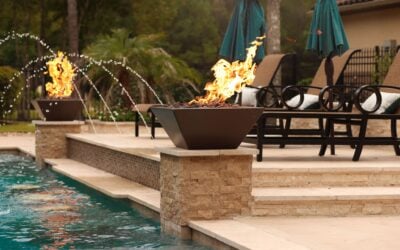
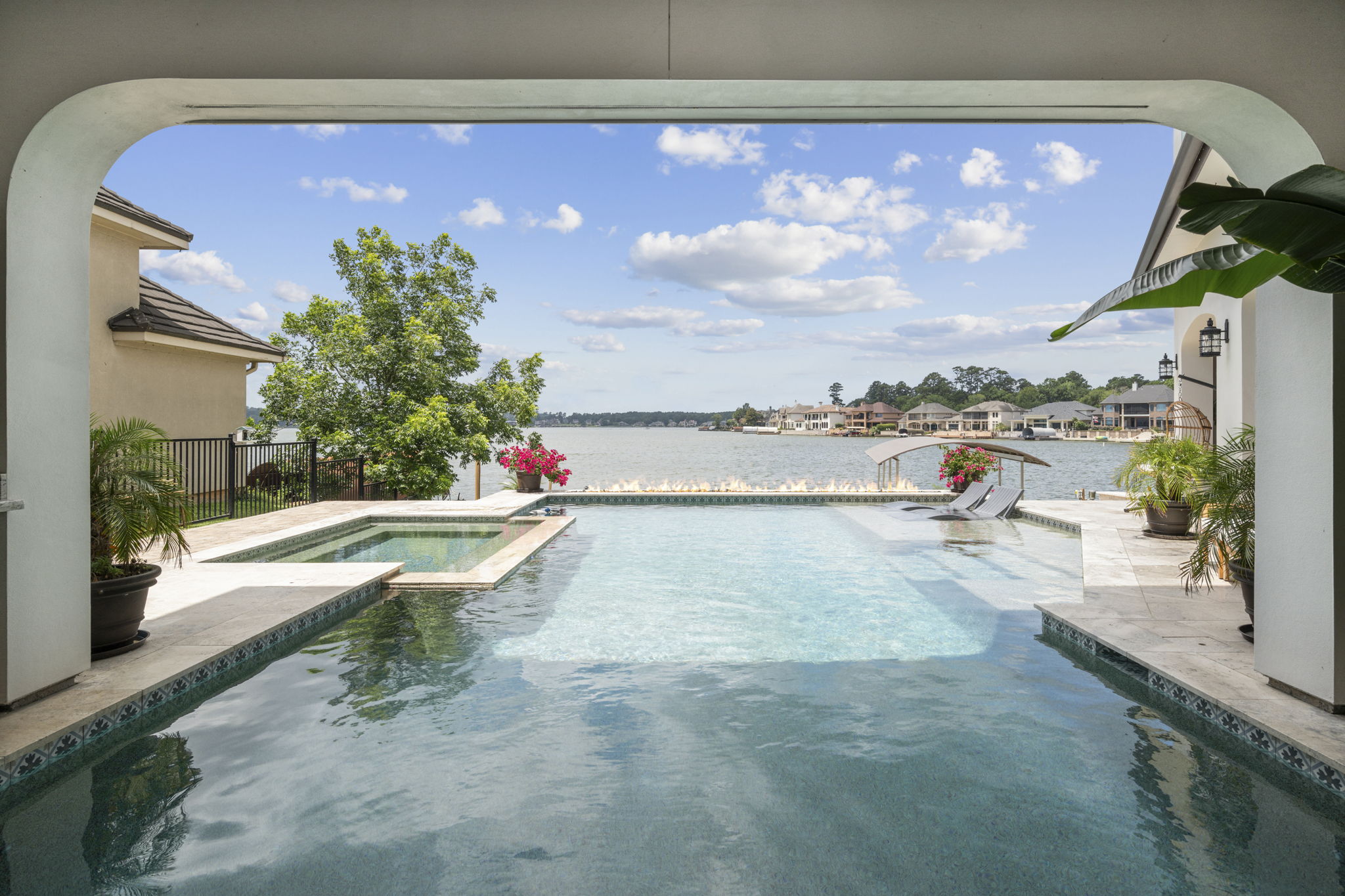
Once the pool is complete, attention shifts to the surrounding space. Decking materials, drainage solutions, landscaping, lighting, and safety fencing are installed to create a functional and inviting backyard environment.
These finishing elements enhance both usability and aesthetics, turning the pool into a true outdoor living space.
Step 9 – Final Inspection and Pool Startup
Before the pool can be used, final approvals are completed, including pool permits being officially closed out. Inspections confirm that all systems meet code and operate correctly.
Your project manager then oversees pool startup, water balancing, and a homeowner walkthrough, explaining basic maintenance and equipment operation so you feel confident caring for your new pool.
Pool Building Process FAQs
How long does it typically take to build a pool?
The timeline for building a pool depends on factors like pool type, size, complexity, and local permitting requirements. On average, a standard inground pool can take anywhere from 8 to 16 weeks from start to finish. Delays can occur due to weather, supply availability, or inspections, so it’s important to plan for some flexibility in your schedule.
What is the most durable type of pool construction?
Concrete pools, such as those made with gunite or shotcrete, are generally the most durable and long-lasting. They can be customized to any shape or size and withstand years of heavy use. Fiberglass pools are also durable and require less maintenance, but their shapes are limited by pre-fabricated molds.
Do I need a permit to build a pool on my property?
Yes, most areas require permits before construction can begin. This ensures your pool meets local safety, zoning, and building codes. Failing to get permits can result in fines, delays, or even the need to remove part of your pool, so it’s essential to work with your builder to handle all required approvals.
How do I maintain my pool after construction?
Regular maintenance includes checking and balancing water chemicals, cleaning debris, and inspecting equipment like pumps and filters. Automation systems can simplify tasks, but it’s still important to monitor water quality and mechanical systems weekly. Proper maintenance prevents damage, ensures safety, and keeps your pool looking its best year-round.
Can I add features like waterfalls or lighting after the pool is built?
Yes, but it’s much easier and more cost-effective to plan these features during the initial design and construction stages. Adding them later may require additional excavation, plumbing, or electrical work, which can increase costs. Planning ensures your pool looks cohesive and all systems work seamlessly together.
Understanding the Pool Building Process
Building a pool is an exciting project that involves careful planning, design, construction, and finishing touches. From choosing the right type of pool to installing equipment and landscaping, each step ensures a safe, functional, and beautiful backyard oasis. Understanding the process helps homeowners make informed decisions and enjoy a smooth construction experience.
As a pool construction company in Magnolia, we specialize in guiding homeowners through every stage of the swimming pool construction process. Our team focuses on quality craftsmanship, expert planning, and attention to detail, ensuring your project meets your vision.
Ready to start building your dream pool? Send us a consultation request to start on your backyard oasis today.

Nick Picklo, son of Terry Picklo, grew up immersed in the world of construction. With a keen passion for construction science, he continuously explores emerging technologies and sustainable building practices to enhance every project. His commitment to staying ahead of industry changes drives innovation in residential construction, ensuring that each home reflects the latest advancements in quality, efficiency, and design.