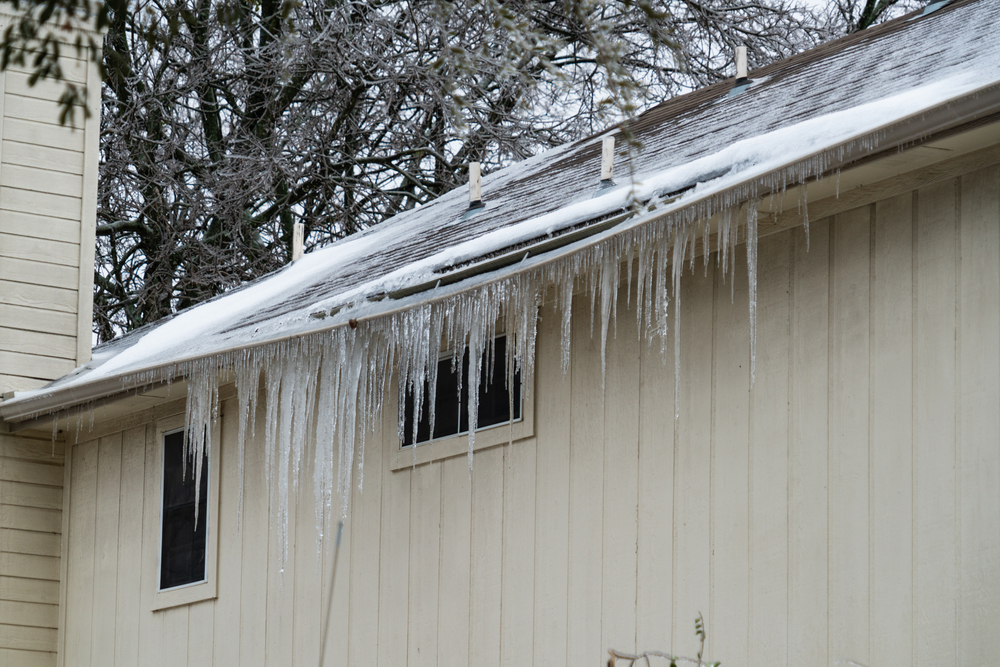
Freezing temperatures can cause serious damage to pools and homes when preparation is overlooked. Water expands as it freezes, creating pressure that can crack pipes, damage pool equipment, and lead to expensive repairs. Understanding how to prepare for a freeze ahead of time can make all the difference when cold conditions arrive.
Even brief cold snaps can be harmful, especially in regions where freezing temperatures are rare. In places like Texas, infrastructure is often built for heat, not cold, which makes how to prepare for a freeze in texas especially important for homeowners.
Why Winter Freezes Cause Damage
When temperatures drop, standing water inside pipes, pumps, and valves can freeze quickly. As the ice expands, it puts stress on plumbing and mechanical components.
Homes with exposed plumbing or minimal insulation are particularly vulnerable during sudden drops in temperature or a severe winter storm. Homes with exposed plumbing or minimal insulation are particularly vulnerable during sudden drops in temperature or a severe winter storm. This is why homeowners who are planning often factor cold-weather risks into early decisions, especially when they plan their custom home before the New Year and have more flexibility in design and materials.
Getting Your Pool Ready Before Temperatures Drop
Preparing your pool before freezing weather hits helps protect pumps, filters, heaters, and pipes. Keeping water circulating is one of the most effective ways to reduce freeze risk, since moving water is less likely to freeze.
Depending on how low temperatures are expected to go, you may rely on freeze protection settings or take extra steps such as insulating exposed plumbing and draining certain components.
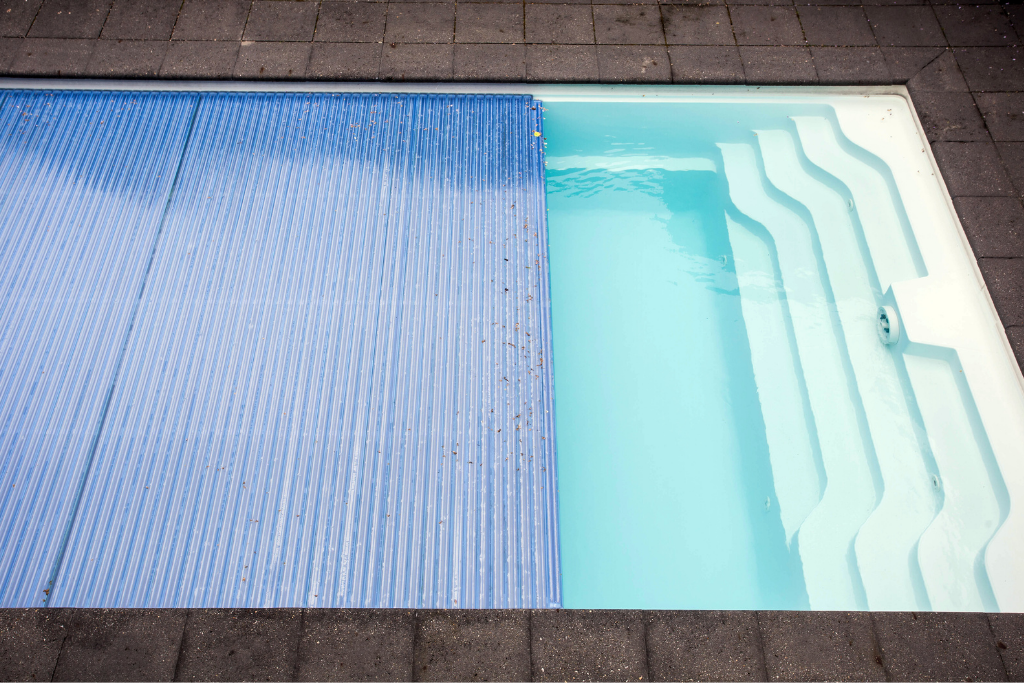
Pool covers can help retain heat, but they work best alongside proper circulation and equipment protection during harsh winter weather.
Protecting Your Home’s Plumbing
A key part of preparing your home is safeguarding your plumbing. Pipes located in garages, attics, crawl spaces, and other unheated areas are at the highest risk of freezing.
Insulating pipes, covering outdoor faucets, and knowing where your main shut off valve is located can help prevent serious water damage.
In extreme cold, allowing faucets to drip slightly and knowing when to turn the water off to exterior lines can reduce pressure buildup and prevent burst pipes.
Outdoor Freeze Prep You Shouldn’t Skip
Outdoor systems often get overlooked during cold-weather preparation. Sprinkler systems should be shut down and drained, outdoor kitchens and showers emptied, and lightweight furniture secured.
Landscaping near plumbing can also benefit from mulch or frost blankets to help insulate the ground and protect roots.
Staying Safe and Comfortable During a Freeze
Cold temperatures aren’t just hard on your home; they can also affect your comfort and safety. To stay warm, seal gaps around windows and doors, and make sure vents allow warm air to circulate freely throughout your home. Be sure to set your thermostat to a consistent temperature, even overnight, to help prevent pipes from freezing.
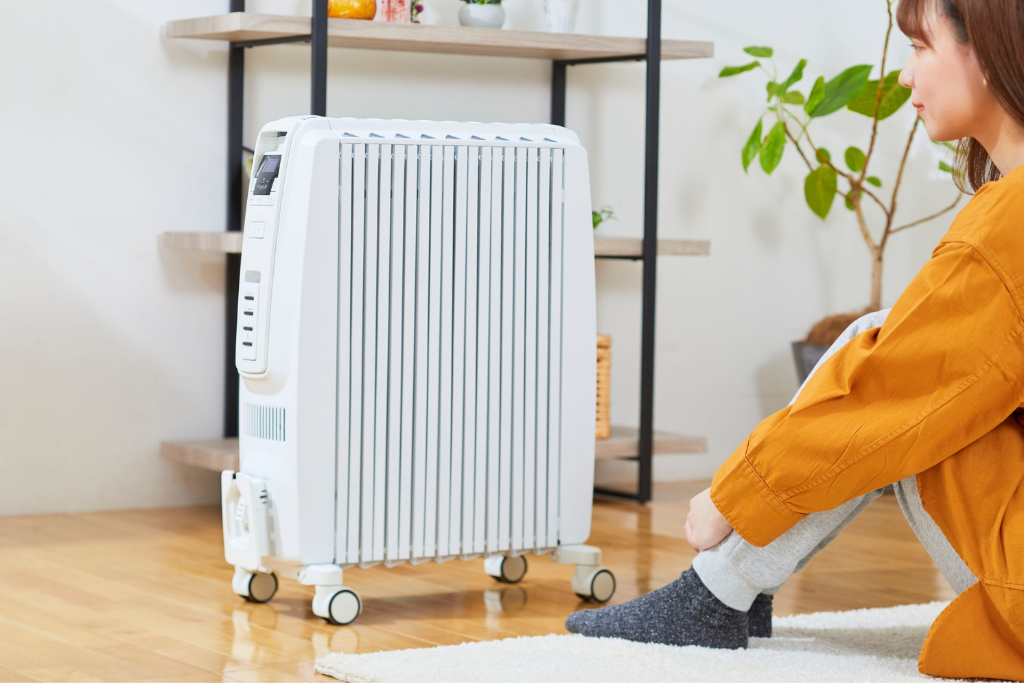
If you use a space heater, keep it away from flammable materials and never leave it unattended. Proper ventilation is critical, as improper heating can lead to dangerous carbon monoxide buildup. Always be prepared for power outages by having flashlights, batteries, and backup heat options ready.
Freeze Prep Checklist (Quick Reference Table)
Want a quick overview? Use this checklist to make sure your pool, plumbing, and outdoor systems are protected before temperatures drop.
| Area | What to Do | Priority Level | Tools / Materials |
|---|---|---|---|
| Pool Equipment | Keep water circulating, confirm freeze protection settings are on, insulate exposed pipes, and protect the pump/filter/heater. | High | Pool cover, pipe insulation, towels/blankets, equipment cover |
| Exposed Plumbing | Insulate pipes in garages/attics/crawl spaces, open cabinet doors under sinks, and seal drafts near plumbing. | High | Pipe insulation, foam tape, weather stripping |
| Outdoor Faucets & Hose Bibs | Disconnect hoses, cover faucets, drain exterior lines if possible, and shut off outdoor water if temperatures drop hard. | High | Faucet covers, wrench, hose storage |
| Sprinkler System | Shut off irrigation supply, drain backflow and exposed lines, and protect above-ground valves. | Medium–High | Shutoff key, towels, insulation wrap |
| Thermostat / Indoor Protection | Keep thermostat consistent (even overnight), allow warm air to circulate, and drip faucets during extreme cold. | High | Space heater (safe use), cabinet clips/door stops |
| Power Outage Prep | Stock flashlights/batteries, charge devices, prepare backup heat safely, and know where your main shutoff valve is. | Medium | Flashlights, batteries, phone chargers, blankets |
Freeze Protection Tips You Can Trust
At Picklo Homes, freeze protection is not an afterthought; it’s part of how we design and build every home.
Pool & Equipment Protection
Our pools are set to enter freeze protection mode at 36°F. When temperatures drop, the system automatically turns on and keeps water moving through the equipment. As long as power is available, the pumps will continue to run, which is the single most effective way to prevent freeze damage.
Homeowners should remember to turn off the pool auto-fill during freezing conditions and insulate the exposed auto-fill line, as these are common failure points in cold weather.
Incoming Water Lines
We route the main incoming water line up through the slab and locate the primary shut-off inside the garage. This places the most critical section of plumbing within a protected space, rather than outside the home or in an underground box, significantly reducing the risk of freezing.
Exterior Hose Bibs
As a standard detail, all exterior hose bibs are isolated on their own dedicated loop with an interior shut-off valve. Protecting outside faucets is straightforward:
This simple step eliminates trapped water that could otherwise freeze and burst the pipe.
PEX Plumbing Throughout
All of our homes are built using PEX water piping. Unlike rigid materials, PEX can expand if water freezes inside it. In many cases, this expansion prevents the pipe from rupturing, and once temperatures rise, the pipe contracts back to its original size. While no system is freeze-proof under extreme conditions, PEX provides a substantial margin of protection compared to traditional piping.
Conditioned Attics
Because we use open-cell spray foam applied to the roof deck, our attics are conditioned spaces rather than unconditioned, vented spaces. This keeps attic temperatures much closer to the interior of the home, meaning water lines routed through the attic are maintained at stable, room-like temperatures even during hard freezes.
Freeze Preparation Questions
Do I need to winterize my pool for a short freeze?
For a short freeze, full winterization isn’t always necessary. Many pool owners can rely on freeze protection settings or keep water circulating to prevent damage. However, if your pool equipment is old or exposed, taking extra precautions like insulating pipes and draining skimmers can help avoid costly repairs.
Should I keep my pool pump running all night?
Yes, running your pool pump overnight during a freeze is often a smart move. Moving water is less likely to freeze and cause cracks in pipes or pumps. Even though it may use a bit more electricity, it’s usually far cheaper than fixing freeze-damaged equipment.
What temperature causes pipes to freeze?
Pipes can start freezing when temperatures drop to around 32°F (0°C) or lower. However, pipes that are poorly insulated or exposed to wind can freeze even at slightly higher temperatures. The risk increases the longer the cold temperatures last.
How long does it take for pipes to burst in freezing weather?
The time it takes for pipes to burst depends on temperature, exposure, and insulation. In extremely cold conditions, it can happen within a few hours if water is trapped inside. Pipes in uninsulated areas, like attics or crawl spaces, are usually at the highest risk.
Protect Your Pool and Home During a Winter Freeze
Preparing your pool and home before freezing temperatures arrive can save you from costly repairs and damage. A little preparation goes a long way in preventing problems when the weather turns icy.
As a pool and home expert serving the Houston area, we help homeowners understand the best ways to protect their custom investments during freezing weather. From pool equipment and plumbing to outdoor systems.
Worried about protecting your custom pool and home this winter? Contact us today and make sure your property is ready before the next freeze hits.

Nick Picklo, son of Terry Picklo, grew up immersed in the world of construction. With a keen passion for construction science, he continuously explores emerging technologies and sustainable building practices to enhance every project. His commitment to staying ahead of industry changes drives innovation in residential construction, ensuring that each home reflects the latest advancements in quality, efficiency, and design.